Wood shingles
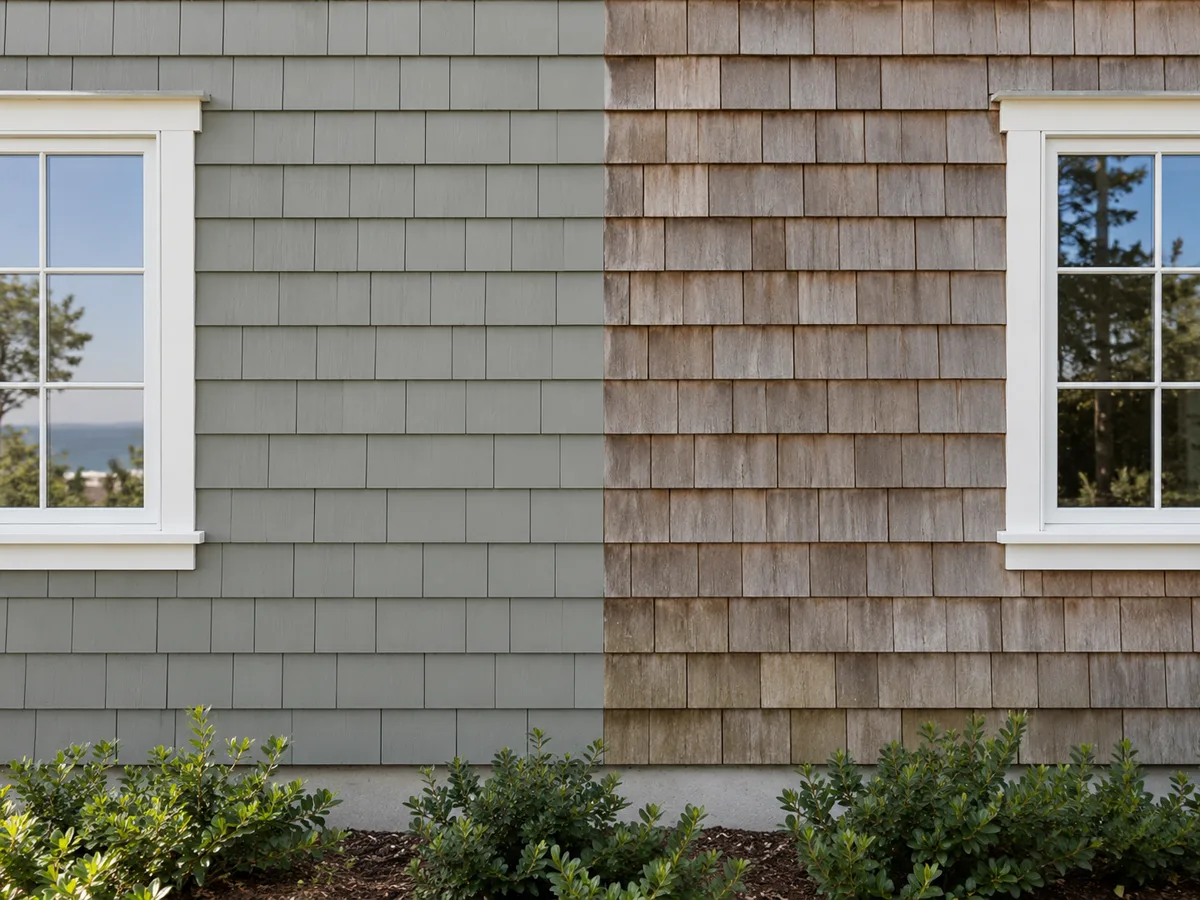
Loose shingles are re-nailed, split ones filled or patched, and only the truly failed ones are replaced, primed on every face before they go up.

Riverside Expert Painting is a trusted painting contractor in Claremont, CA, and a Los Angeles County specialist in Craftsman bungalows, specializing in historic wood shingle repaints, exposed rafter tail and bracket restoration, and period color schemes. We offer lead-safe exterior preparation and interior painting.
Get a free painting estimate
Or call (951) 631-9482. Calls only, we do not receive text messages.
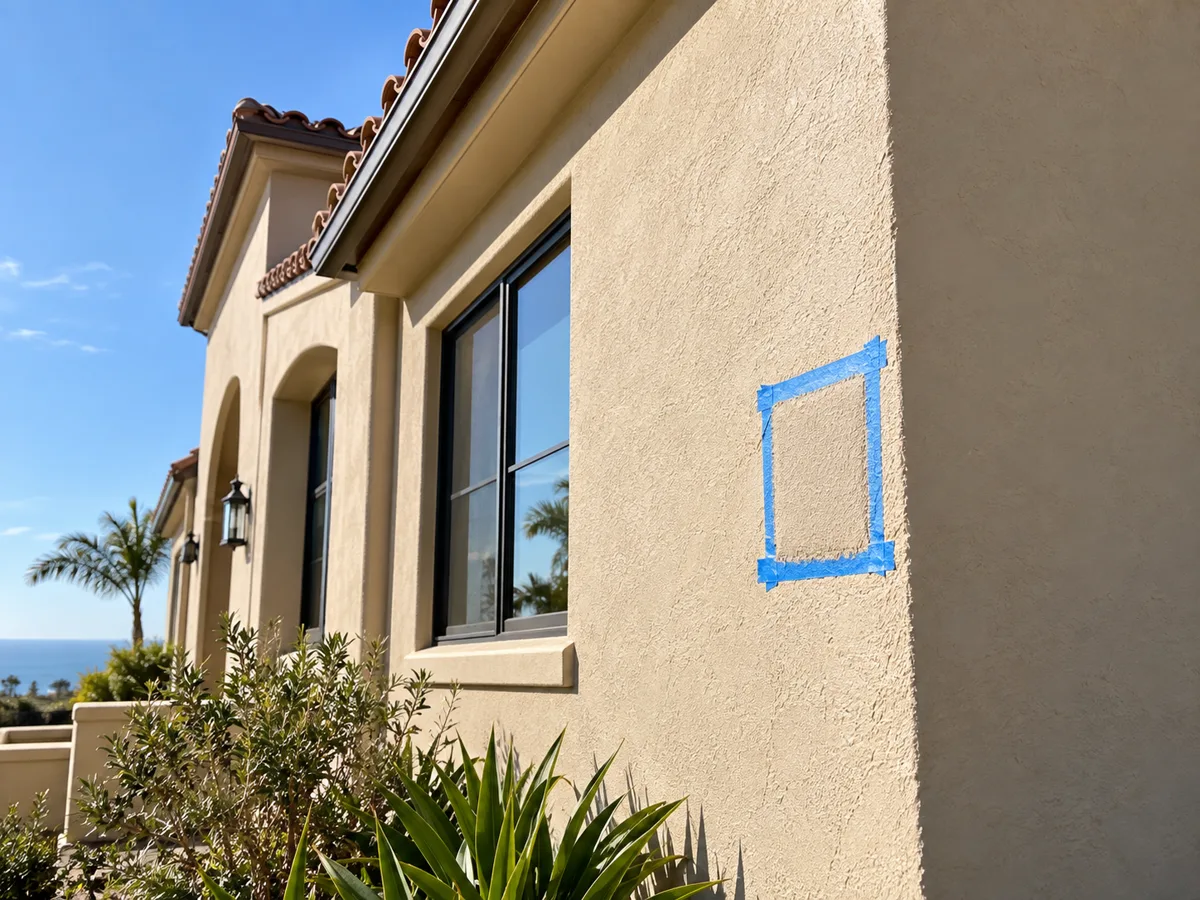
Our team provides a color plan written for design review, delivering a finish that respects the original workmanship for both residential and commercial projects. We paint a sample of each proposed color on your own siding and trim, and the written scope lists every board we will repair, the primer for each surface and the number of coats.
From re-nailing loose shingles on a front gable to the last coat on a deep porch beam, our team handles every detail. Serving Claremont along with San Antonio Heights and Diamond Bar, we work at the pace a historic house and its review require.
Why Riverside Expert Painting
No salesperson hands you to a stranger. The person who measures the job answers for it.
Claremont incorporated in 1907, and the citrus groves and packing houses that once surrounded it have long since given way to homes. The Village is the city's commercial heart, with shops, galleries and restaurants, and the seven Claremont Colleges sit beside it. Craftsman bungalows from 1911 and 1915 still stand on the Village streets.
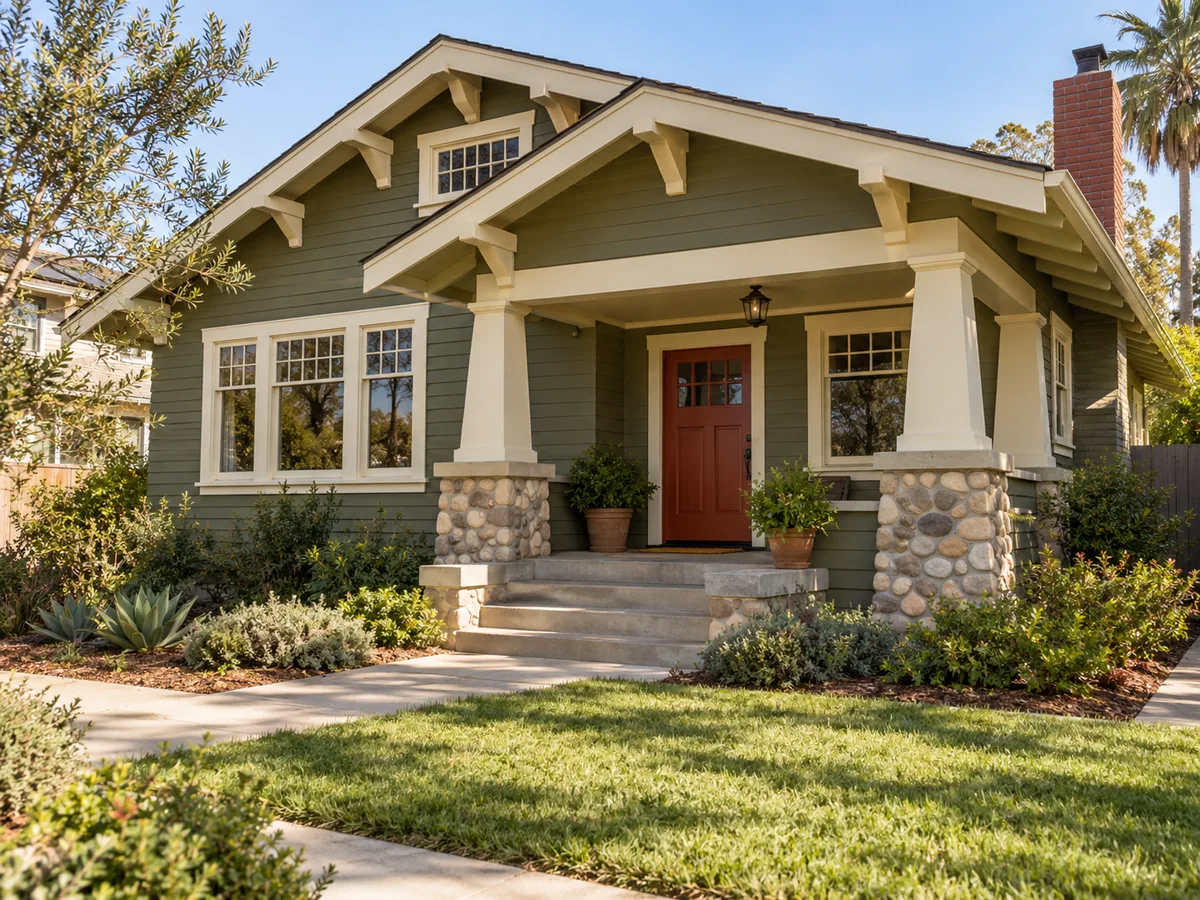
The Craftsman style was built to show its materials. Its signatures are low-pitched gabled roofs, deeply overhanging eaves, exposed rafters or decorative brackets under those eaves, wide front porches on tapered square columns, and walls of wood shingles or siding. Each of those features is a painting surface with its own prep, and together they make a bungalow one of the most detailed exteriors a painter can be handed.
A repaint here is judged less by how fresh the color looks and more by whether the house still reads as itself afterward. That is the standard we write the scope to.
A house this old may have been repainted many times, not always in colors its builder would have chosen. Peeling back that history is part of the walk: we look for older layers under the eaves and on protected trim, which can guide a period scheme if you want one.
Claremont's zoning code sets out the HC Historical Claremont District to protect the single-family character and the historic and architectural integrity of its streets. The code names the features that must be kept, including architecture, workmanship and materials, and it makes exterior alterations in the district subject to architectural review, carried out by city staff and the Architectural and Preservation Commission.
Whether a particular repaint counts as an alteration, for example a change of color or of material on trim, is a question for the city's planning staff, and we do not answer it for them. What we do is prepare for it:
You or your representative file whatever the city asks for, and the start date is set once the answer comes back.
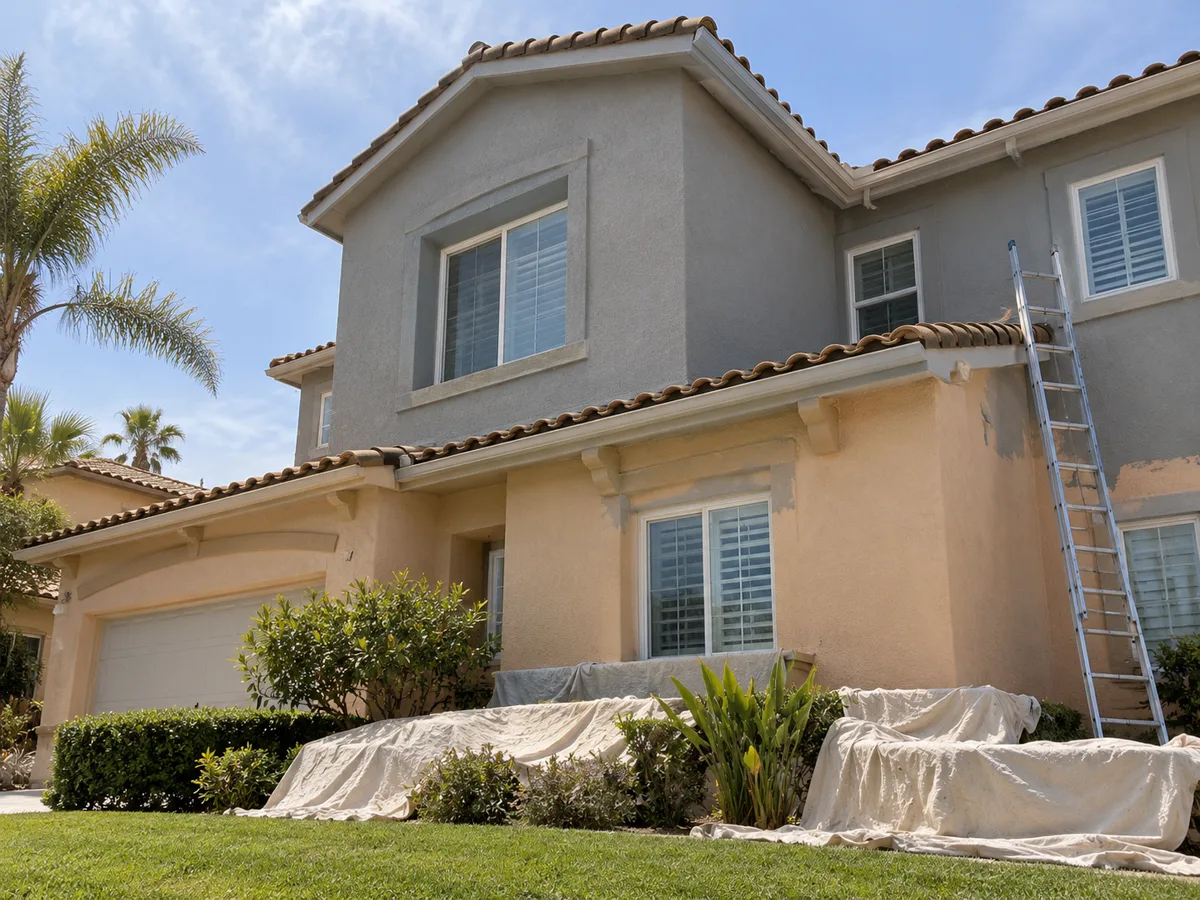
The district code states that existing architectural elements and materials should be preserved in alterations and repairs, and that restoring deteriorated materials is encouraged. That matches how a bungalow should be painted anyway, because a replacement board rarely matches the profile and grain of century-old wood.
Loose shingles are re-nailed, split ones filled or patched, and only the truly failed ones are replaced, primed on every face before they go up.
Exposed rafter ends take the weather first. Soft wood is consolidated and filled where it is sound enough to keep.
Tapered columns and porch beams are scraped, repaired at the base where water sits, and primed.
Original double-hung sash and trim are scraped and reglazed where putty has failed, then brushed out. Every Claremont bungalow from the 1910s predates 1978 by decades, so the older layers are handled as lead paint: containment under the work, wet scraping and HEPA clean-up, never dry sanding or burning.
Claremont calls itself the City of Trees and PhDs, and its tree-lined streets are part of why people buy here. For a painter, mature street trees and garden canopies change three things.
Shade slows drying, so a north wall under a canopy may stay damp long after a sunny wall is ready for its next coat. We sequence the elevations by sun and follow the product data sheet for recoat timing rather than the clock. Sap and falling leaves stick to wet paint, so the work area is cleaned before each coat and limbs over the wall are noted for the owner to have trimmed if needed. Morning dew lingers in heavy shade, so work on those walls starts later in the day.
Roots and planting beds sit close to the foundation on older lots. Ladders are footed on boards rather than in beds, and drop cloths protect the plants under every wall.
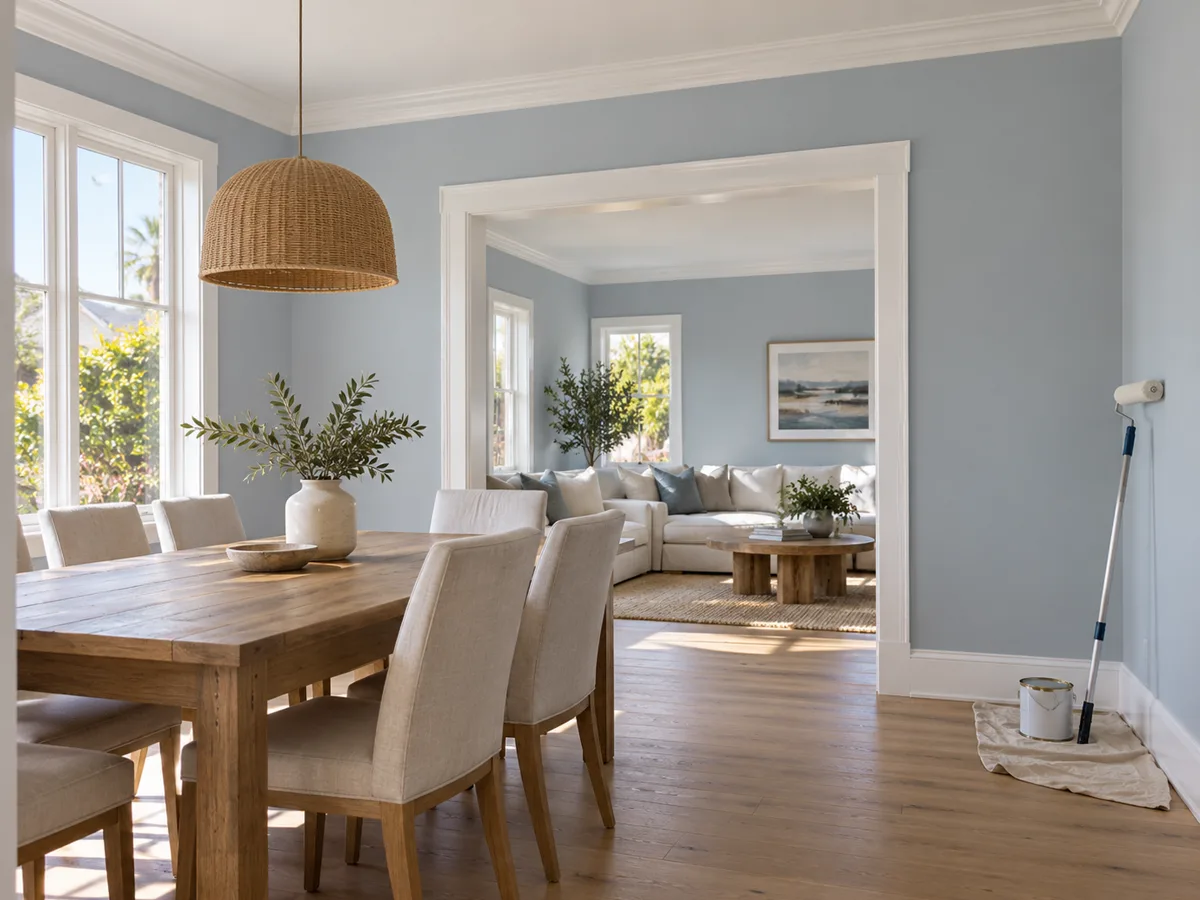
Claremont reaches up into the foothills of the San Gabriel Mountains, and those neighborhoods remember the Grand Prix Fire. On October 25 and 26, 2003, it destroyed 65 homes in Claremont, 44 of them in Palmer Canyon, 14 in Claraboya and four in Padua Hills, driven by winds a fire captain said were clocked at 100 miles per hour that evening.
On a foothill home, prep includes sealing open joints at fascia and eaves and noting damaged vent screens before the final coat. That is ordinary careful painting rather than fire protection, and hardening advice belongs to your fire authority. Spray work is scheduled away from windy days.
In the Village, the owner or manager of a storefront, gallery, restaurant or office building can request a written bid. Commercial work there is scheduled around opening hours, with color submittals prepared for any review the building requires.
A Craftsman bungalow is priced on repair and detail far more than on wall area. As a guide, a full historic repaint with wood repair, lead-safe prep and multiple trim colors is typically estimated at roughly $15,000 to $60,000, shingle walls are usually estimated at roughly $1.50 to $4 per square foot of wall, and a trim and porch refresh on its own is generally estimated at roughly $1,000 to $3,000.
What changes the figure:
To book, call or send the form. The walk looks closely at the shingles, rafter tails, porch and windows, and the written estimate that follows names the prep, primer, coats, start date and expected length.
These are estimates, they are subject to change once the house has been walked, and the written quote sets the final price.
Questions
Exterior alterations in the HC Historical Claremont District are subject to architectural review, so ask the city's planning staff whether your repaint qualifies. We prepare the color plan, samples and product data for any review.
Only where the wood has failed. Sound original wood is repaired and kept, because new boards rarely match the old profile and the district code encourages restoring deteriorated materials.
We assume the older layers contain lead and use lead-safe practices on every surface: containment under the work, wet scraping, and HEPA vacuum and wet-wipe clean-up instead of dry sanding.
Yes. We put together a body, trim, sash and accent scheme with you, brush samples on the house so you see them in your own light, and write the plan in a form you can take to design review.
Yes. Foothill homes get the same written scope, with open joints at eaves and fascia sealed during prep and spray days kept off windy days.
Yes. A porch, its columns, beams and railings can be scoped on their own, with the colors matched to the existing body and trim. If the porch sits in the historic district, the same color plan and samples are prepared in case review is needed.
Yes. Original woodwork, built-ins and plaster walls are scoped room by room as a separate phase, with lead-safe prep on painted trim and furniture moved and covered.
Yes. A building owner or manager receives a written bid by elevation, with work hours set around opening times and color submittals ready for any review the building needs.
Yes. We take a sample of each existing color from a protected spot such as under an eave, have it matched, and brush it beside the original so you can confirm it before the house is coated.
Yes. Bare or newly replaced shingles are primed on every face before they go up or before the finish coat, so the new wood takes color the same way as the old shingles around it and the finish has a sound base to bond to.
Homeowners get a free on-site estimate. Boards, managers and contractors can send a scope for a bid.
Licensed, insured and bonded · License #585047. Calls only, we do not receive text messages.