Polished Venetian plaster
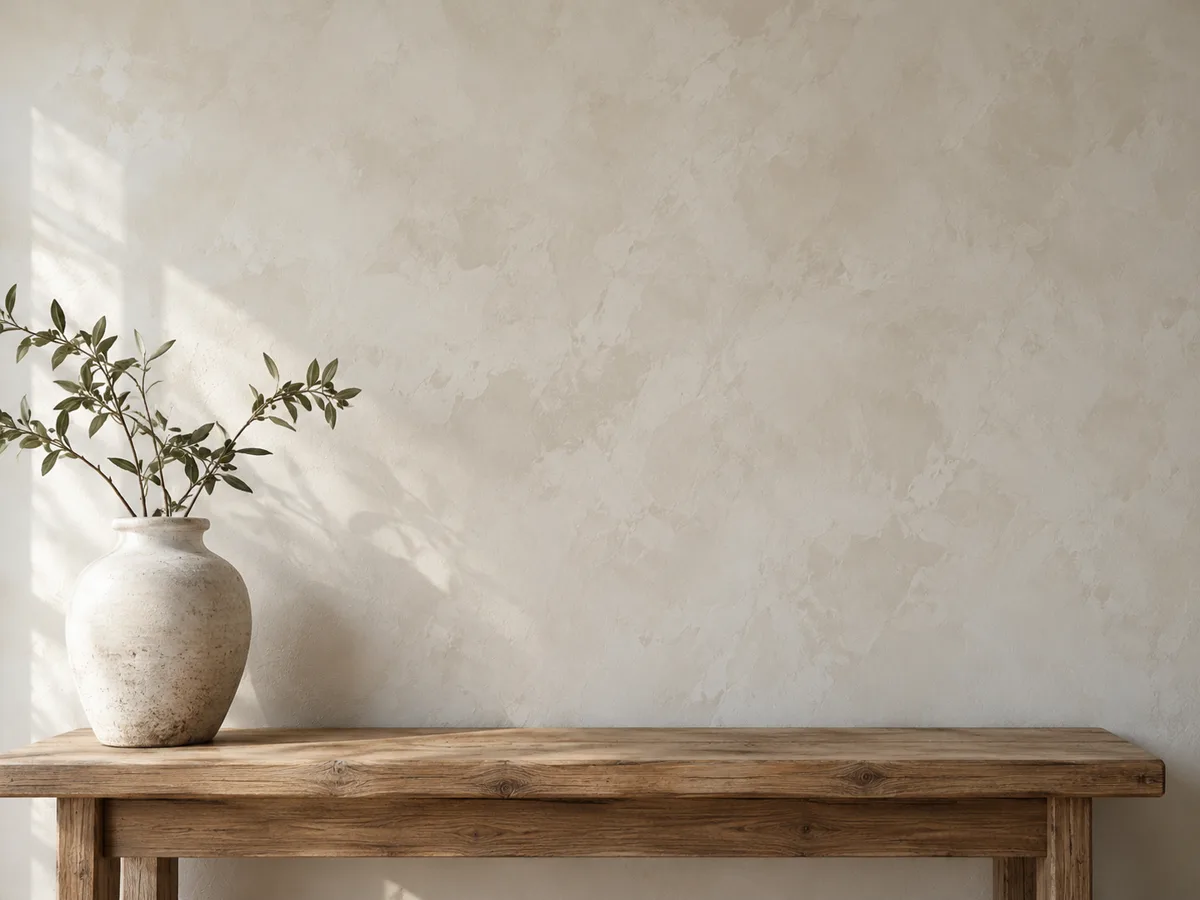
Thin layers of lime-based plaster, trowelled and burnished to a soft marble-like sheen with visible depth. It suits entries, dining rooms and feature walls where you want light to move across the surface.

Riverside Expert Painting applies Venetian plaster and specialty finishes in Riverside, CA, including Roman clay and other wall finishes. Each is built in thin coats by hand over a prepared wall, so the depth comes from the layers and not from a printed pattern. We put a sample on your own wall before the work begins.
Get a free painting estimate
A good plaster finish starts with a flat, sealed wall, because every flaw shows through a polished surface. We skim and sand the wall smooth, prime it, then build the finish in three or more thin coats, each trowelled by hand and left to set before the next. The final burnish brings up the sheen.
Serving Riverside, Canyon Crest, Alessandro Heights and Claremont, we do this in living rooms, entries, dining rooms, powder rooms, fireplace surrounds and feature walls. The same crew that preps the wall finishes it, because the trowel work and the prep are one skill.
Why Riverside Expert Painting
No salesperson hands you to a stranger. The person who measures the job answers for it.
Each finish has its own look, feel and upkeep, so we match the finish to the room and how you use it.
Thin layers of lime-based plaster, trowelled and burnished to a soft marble-like sheen with visible depth. It suits entries, dining rooms and feature walls where you want light to move across the surface.
A mineral-based plaster with a softer, more matte, travertine-like movement. It suits living rooms and bedrooms where you want warmth without the polished shine.
Waterproofed lime plaster, burnished and sealed for wet areas such as showers and powder room walls. It needs the right substrate and a sealing step, which we confirm before we quote.
Tinted glazes and metallic-flecked coats that add shimmer or a layered, aged look. Used sparingly on accent walls and ceilings.
A plaster finish will show every ridge, joint and patch underneath it. If the wall is not truly flat, the polished surface acts like a mirror for the flaws. We start with a skim coat or a full smoothing of the wall, then sand it and prime it with a primer that grips plaster.
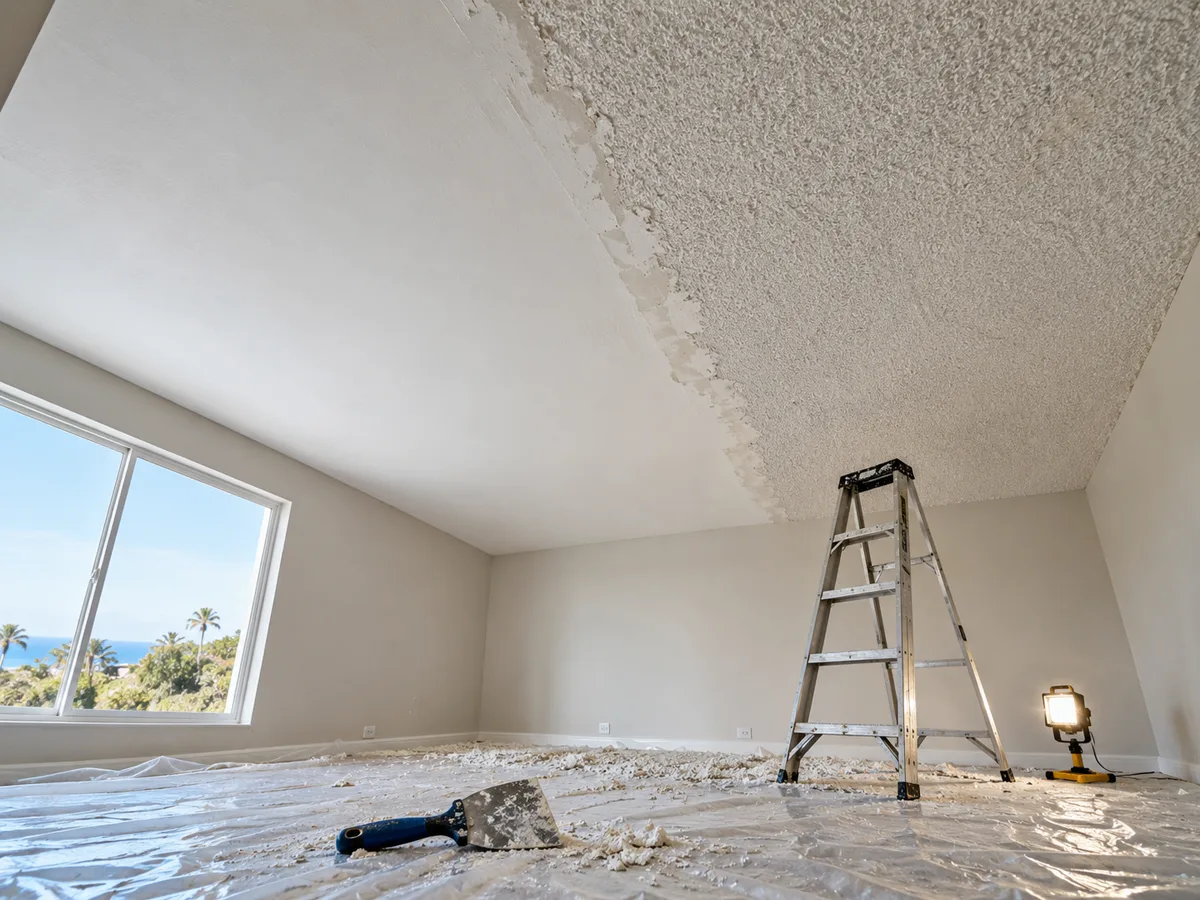
Fresh drywall needs its joints taped and finished to a high level before any plaster goes on. A wall with texture, such as orange peel or knockdown, has to be skimmed flat first, which adds a day or two. A wall with fine cracks or old patches needs those repaired and sealed, or they will telegraph through the plaster as the house moves.
We tell you at the walk how much prep your walls need. It is the largest variable in the job, and the honest answer is sometimes that one wall is a good candidate and another is not.
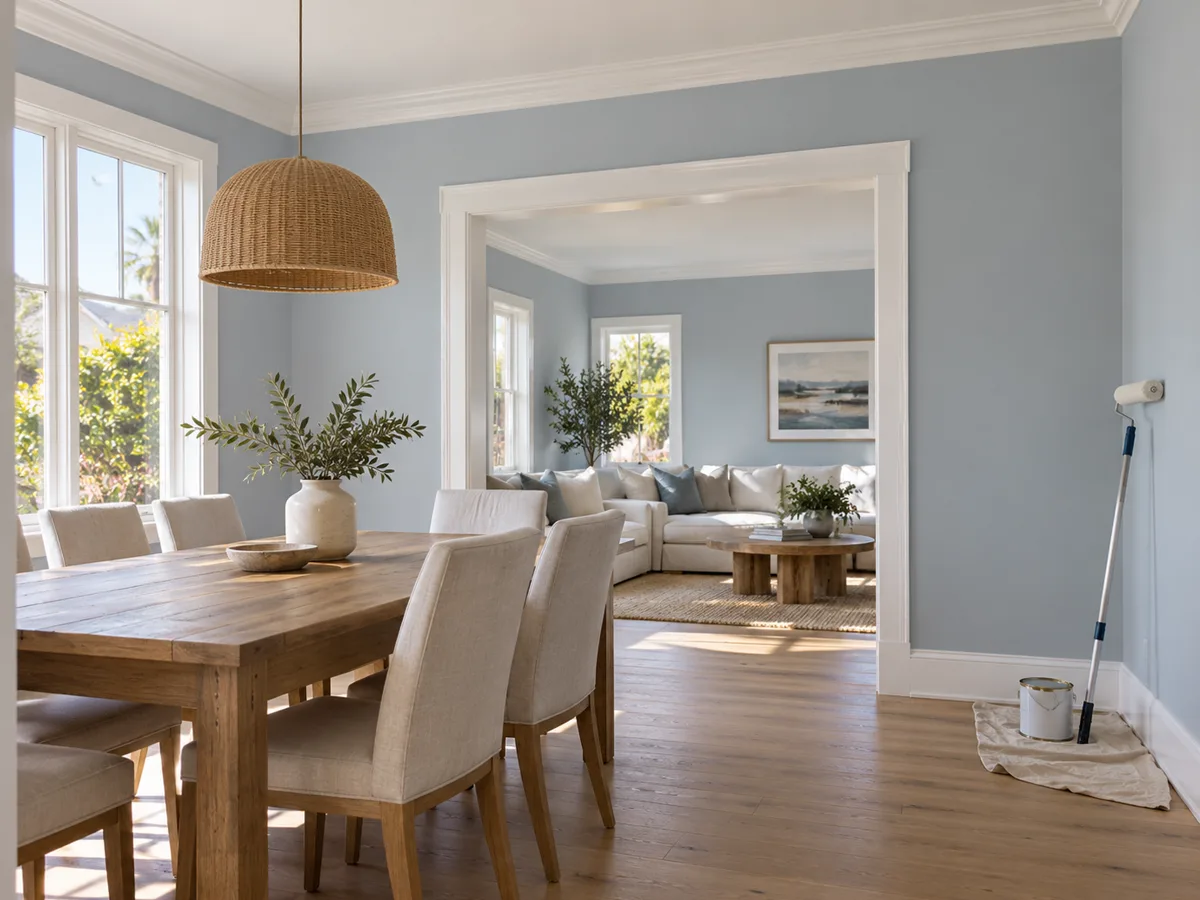
Venetian plaster looks simple and takes patience. The depth you see comes from layers, each set before the next goes on, and from the burnishing at the end.
We do not use a quick-pattern shortcut. A faux technique can approximate the look in a photo, but it does not have the depth of real plaster, and in raking light the difference shows.
The right finish depends on the light in the room and how the wall will be used. A polished plaster in a bright entry reflects light and makes a small space feel larger, while a matte Roman clay in a family room hides daily wear better.
Color reads differently in plaster than on a paint chip, because the layers and the burnishing shift it from one angle to another. A sample board is not enough for a decision, so we make a sample on your wall, in your light, and let you live with it for a day before the full job.
Sheen is the other choice. A low sheen forgives uneven light and fingerprints, and a higher polish shows off a feature wall. We recommend one finish per room or per sight line, because three different plasters in a short hallway tend to compete with each other.
Outdoor mineral finishes are described under limewash and mineral coatings, and walls cleared of old paper first are covered under wallpaper removal.
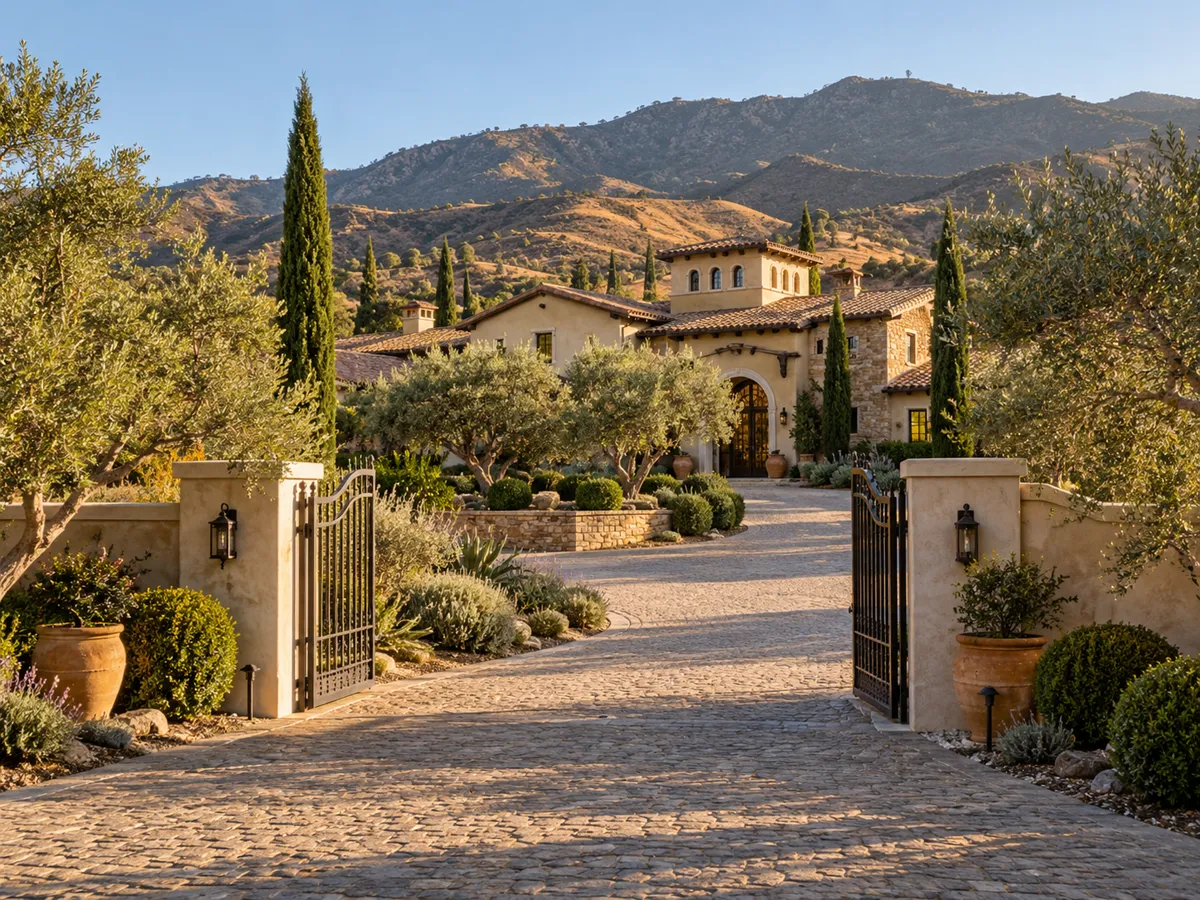
Riverside homes give plaster finishes a good home, with some local conditions worth planning for. Spanish Colonial and Mission Revival homes near downtown and in Arlington Heights often suit a Roman clay or a softly burnished plaster, because it echoes the plaster walls those houses were built with.
Larger custom homes in Canyon Crest, Alessandro Heights and parts of Orangecrest tend to have tall entries, double-height walls and fireplace surrounds, where plaster adds depth and the scaffolding and lift access need to be planned for. Newer tract homes with textured walls are good candidates for a single feature wall, which keeps the prep and the budget in proportion.
Inland dryness is mostly helpful, since plaster cures well in low humidity, but we avoid applying it in direct heat. Rooms with big west-facing glass can get very hot on summer afternoons, so we schedule the work for the cooler hours and keep the air handler running steady.
The process
Five steps, and your sample wall is approved before any full wall is started.
We look at your walls, the light and the use of each room, and decide which walls suit a plaster finish.
We apply a sample on the wall itself so you can judge color and sheen in your own light.
We skim, sand and prime the wall so the plaster has a flat, gripping base.
The plaster goes on in thin hand-trowelled coats, with time to set between each one.
We burnish, seal and walk the finished wall with you before we call it done.
Questions
Venetian plaster is a lime-based plaster that is trowelled and burnished to a polished, marble-like sheen. Roman clay is softer and more matte, with a travertine-like movement. We bring samples of each so you can compare them in your light.
Yes, after the texture is skimmed flat. A polished plaster shows every ridge underneath it, so the smoothing step cannot be skipped.
Sealed lime plaster suits a powder room and some bathroom walls. Showers and wet walls need a waterproof system and the right substrate, which we confirm before we quote.
A soft damp cloth and a mild soap handle most marks. Polished plaster should not be scrubbed or hit with harsh cleaners, and we leave care notes after the job.
Yes, though a repair needs a skilled blend. Small marks can be buffed or touched up, and larger damage is re-skimmed and re-burnished across a full wall section so the repair does not show.
Yes. We apply a sample on your own wall, so you see the color and sheen in your light before we start the full job.
Most rooms take longer than a standard paint job, because each layer needs time to set. We give the sequence and dates in writing after the walk.
We serve Riverside, Claremont, Yorba Linda, North Tustin, Villa Park and the nearby communities listed on this page.
Tell us which rooms you have in mind. We walk the walls and put a sample on one before you commit.
Licensed, insured and bonded · License #585047. Calls only, we do not receive text messages.