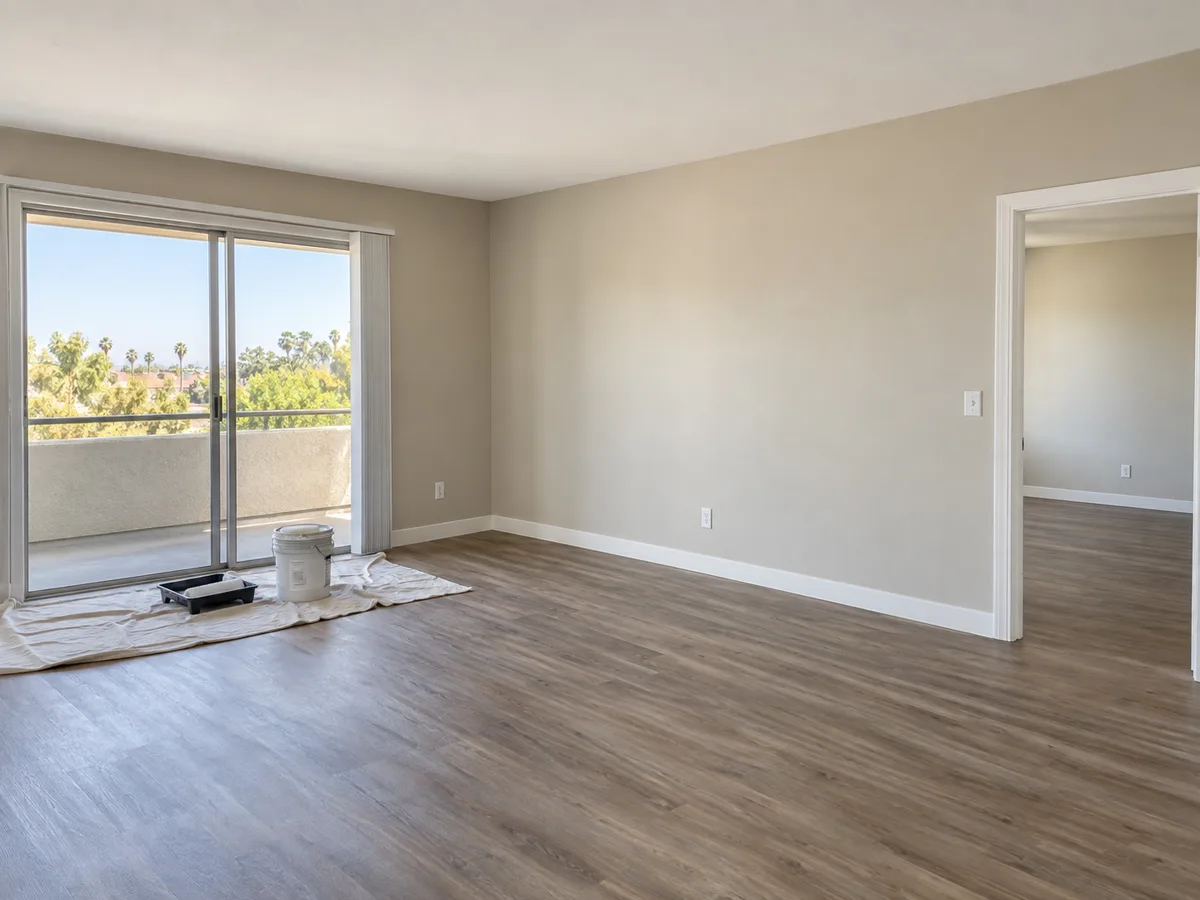
HOA and condo communities
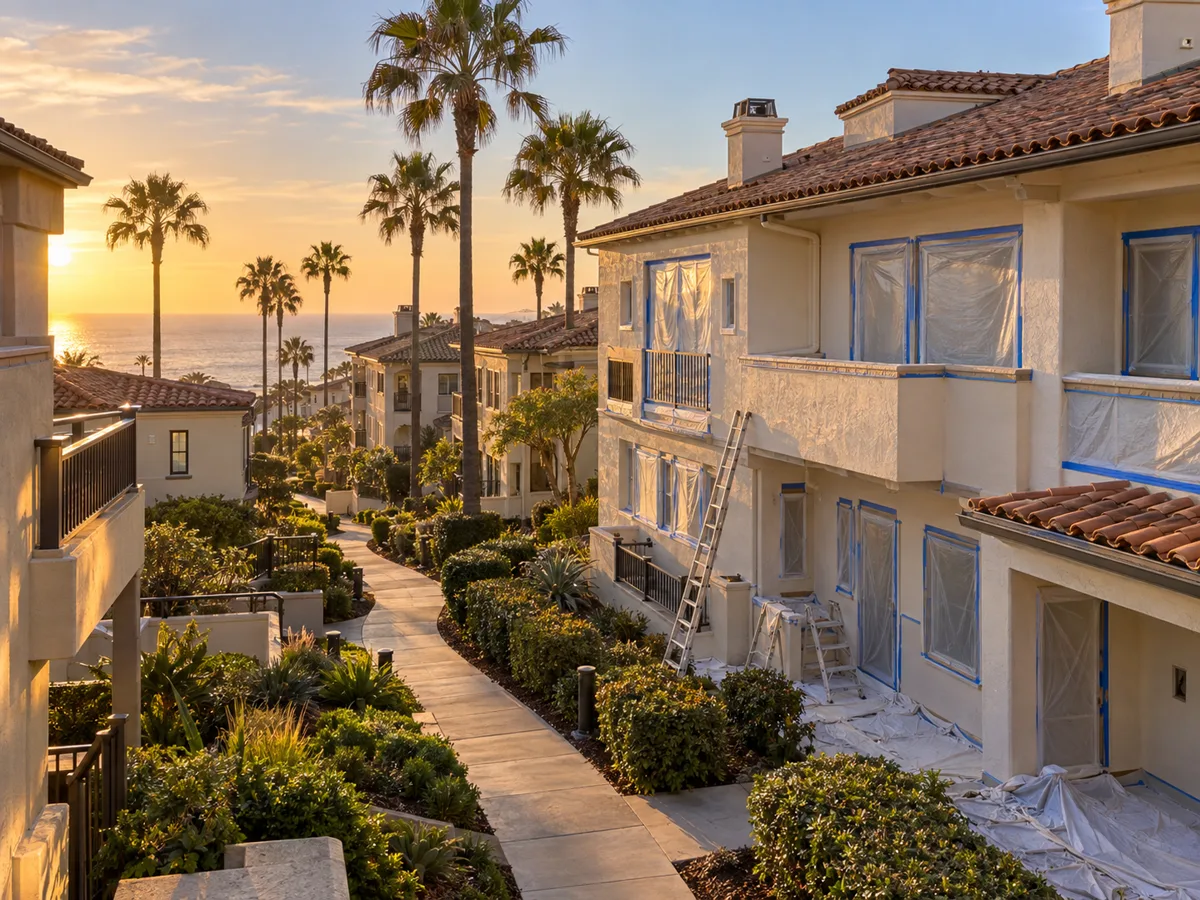
Board-approved repaints timed to the reserve study and run street by street.

Riverside Expert Painting is a trusted Riverside County contractor for commercial painting in Riverside, CA, working with property managers, general contractors and facility managers and specializing in exterior building repaints, interior painting of occupied suites and coatings for concrete tilt-up walls. We offer phased exterior painting and tenant improvement paint packages.
Get a free painting estimate
Or call (951) 631-9482. Calls only, we do not receive text messages.
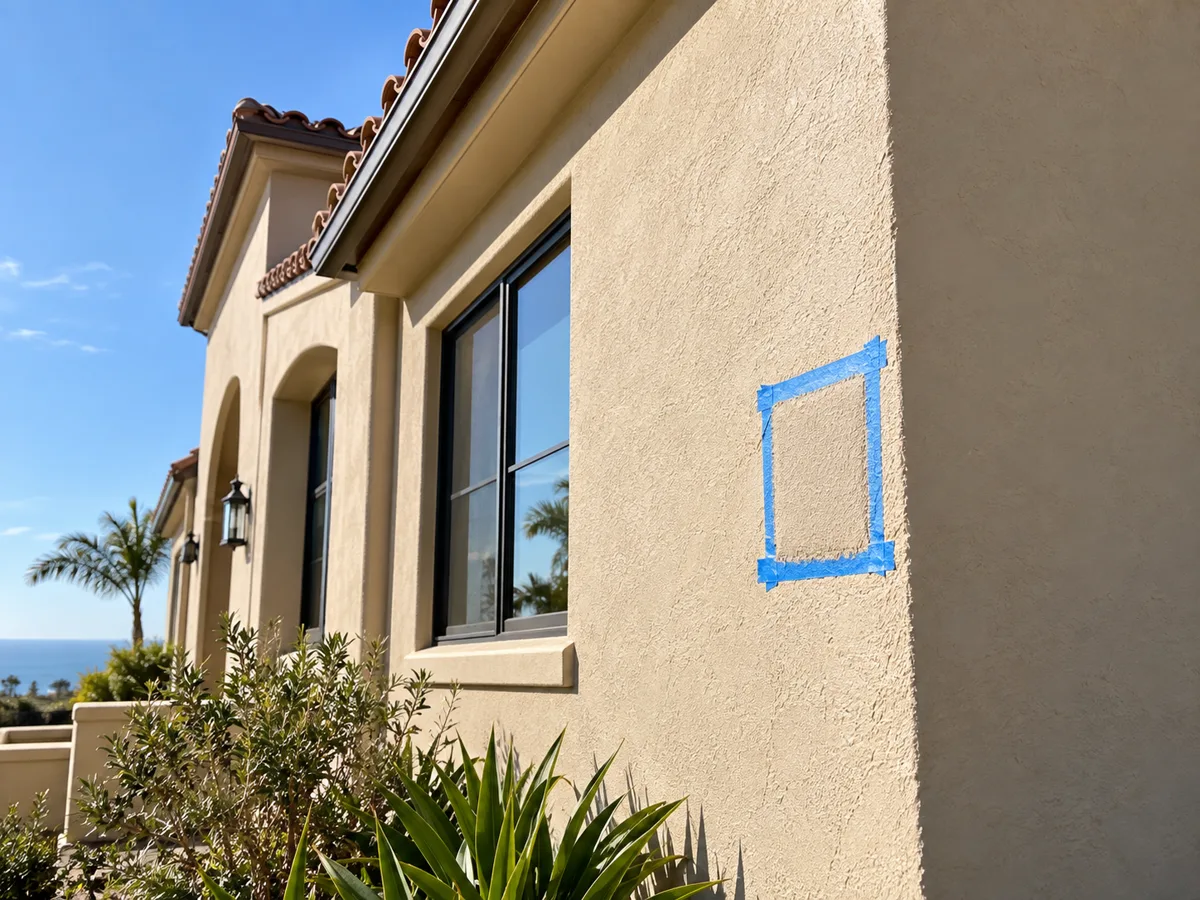
Our team provides a takeoff by building, elevation and floor, delivering a bid a manager can approve in parts for both residential and commercial projects. Before the first lift is delivered, we submit product data sheets and color submittals for approval, then paint a mockup area that the owner or architect signs off on.
From the first site walk and quantity takeoff to the punch list and closeout paperwork, our team handles every detail. Serving Riverside, Norco and Eastvale, we write the schedule around tenants, shifts and opening hours instead of asking them to work around a paint crew.
Why Riverside Expert Painting
No salesperson hands you to a stranger. The person who measures the job answers for it.
A commercial painting bid in Riverside should let a manager see every surface, every product and every phase on paper before anything is approved. Ours is written in line items, so a board, an owner or a general contractor can accept one building now and defer another to next year without asking for a new number.
We walk the property with whoever controls access, note surface condition elevation by elevation, and ask which areas must stay open while the work happens: entries, loading areas, patient rooms, dining rooms or leasing offices.
Square footage is measured by building, elevation, floor or unit, depending on how the property is managed. Stucco, concrete panel, block, steel, wood trim and drywall are counted separately, because each takes its own prep and primer.
Each line names the surface, the prep, the primer, the finish product and sheen, and the number of coats. Repairs such as sealant replacement or rust treatment get their own lines rather than being buried in a lump sum.
Anything the bid does not cover is written down too, such as signage removal, roof work or a tenant's own fixtures, so nobody discovers a gap halfway through a phase.
Phasing is how a commercial repaint stays out of the way of the business inside the building. The bid divides the property into phases a manager can schedule, each with its own start, its own access plan and its own walk at the end.
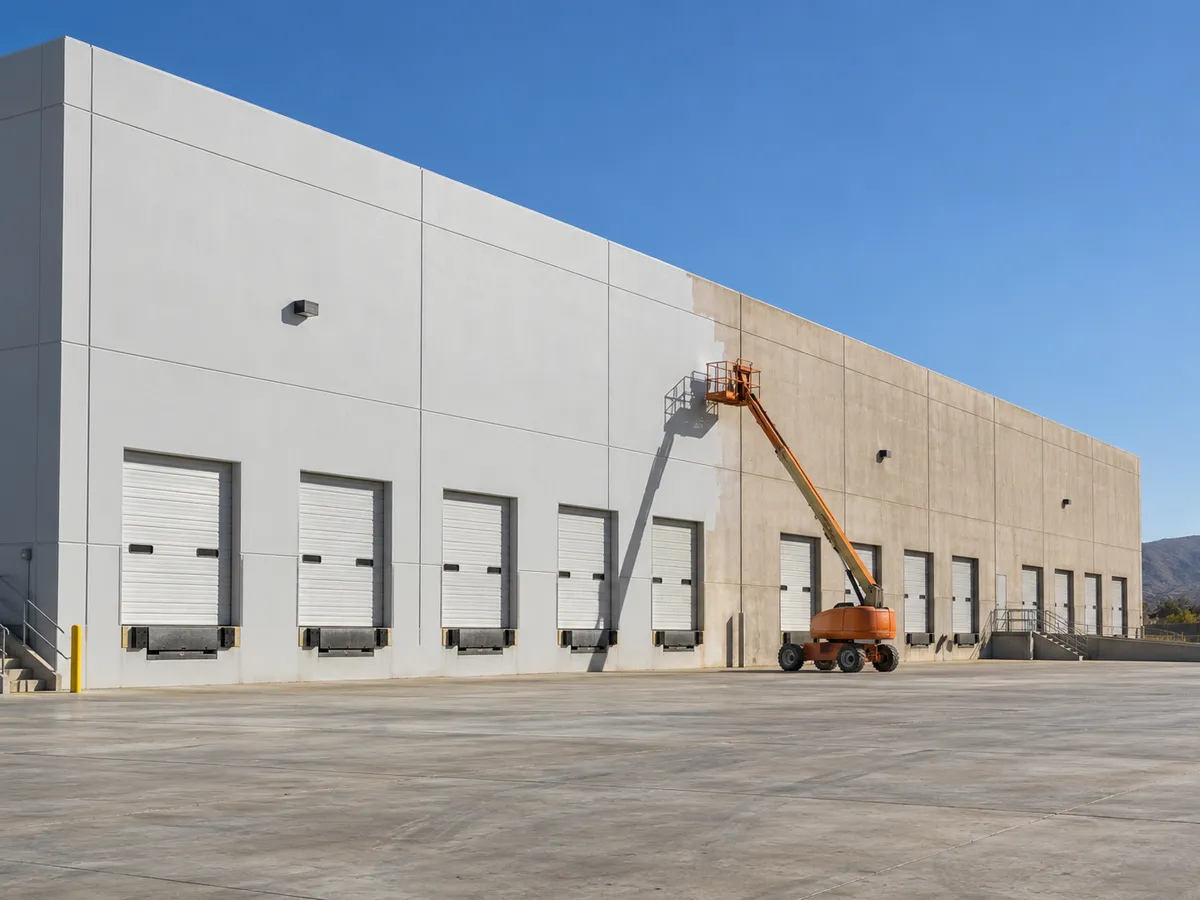
On an office or medical building that may mean one floor or one wing at a time, with interior rooms painted after hours. On a shopping center it can mean one storefront run at a time, timed around opening hours. On a warehouse running shifts, the dock side is painted when the trucks are lightest, and lifts are parked away from the drive lanes.
The inland climate adds its own scheduling rule. Santa Ana winds are strong, hot and dust-bearing, and they are known for bringing the hottest weather of the year in autumn, so spray work on exposed elevations is moved to calm days and brush and roller work fills the gaps. Every coating used here also has to meet the South Coast AQMD's Rule 1113, which limits the volatile organic content of architectural coatings sold or applied in the district, and that keeps odor down in occupied space.
Tenants hear about each phase before it starts. The manager gets a written notice to forward, naming the area, the dates and what has to be moved or closed.
The paperwork goes out with the bid, not after the contract is signed. Submittals in construction include product data, samples and mockups, and their purpose is to let the architect or owner verify that the correct products will be installed. For a repaint that means the manufacturer's data sheet for every coating in the scope, a color schedule, and a painted sample area on the building itself.
A certificate of insurance, a W-9 and references come in the same package. When a management agreement or a general contractor's subcontract calls for additional insured wording, that is arranged with the insurance agent before the start date rather than on the first morning.
Older buildings get one more check. The EPA's Renovation, Repair and Painting rule covers anyone paid to disturb painted surfaces in homes, childcare facilities and preschools built before 1978, so if a pre-1978 building in the scope houses a childcare tenant or apartments, the lead-safe work practices for those areas are written into the bid.
At the end of each phase the manager and our lead walk the area and build a punch list. A punch list records work that does not yet meet the specification, and the phase is closed only when every item on it has been corrected and checked.
This page covers how any commercial job is bid. Each building type below has its own page, because what changes from one to the next is the schedule, the surfaces and the people still inside.
Board-approved repaints timed to the reserve study and run street by street.
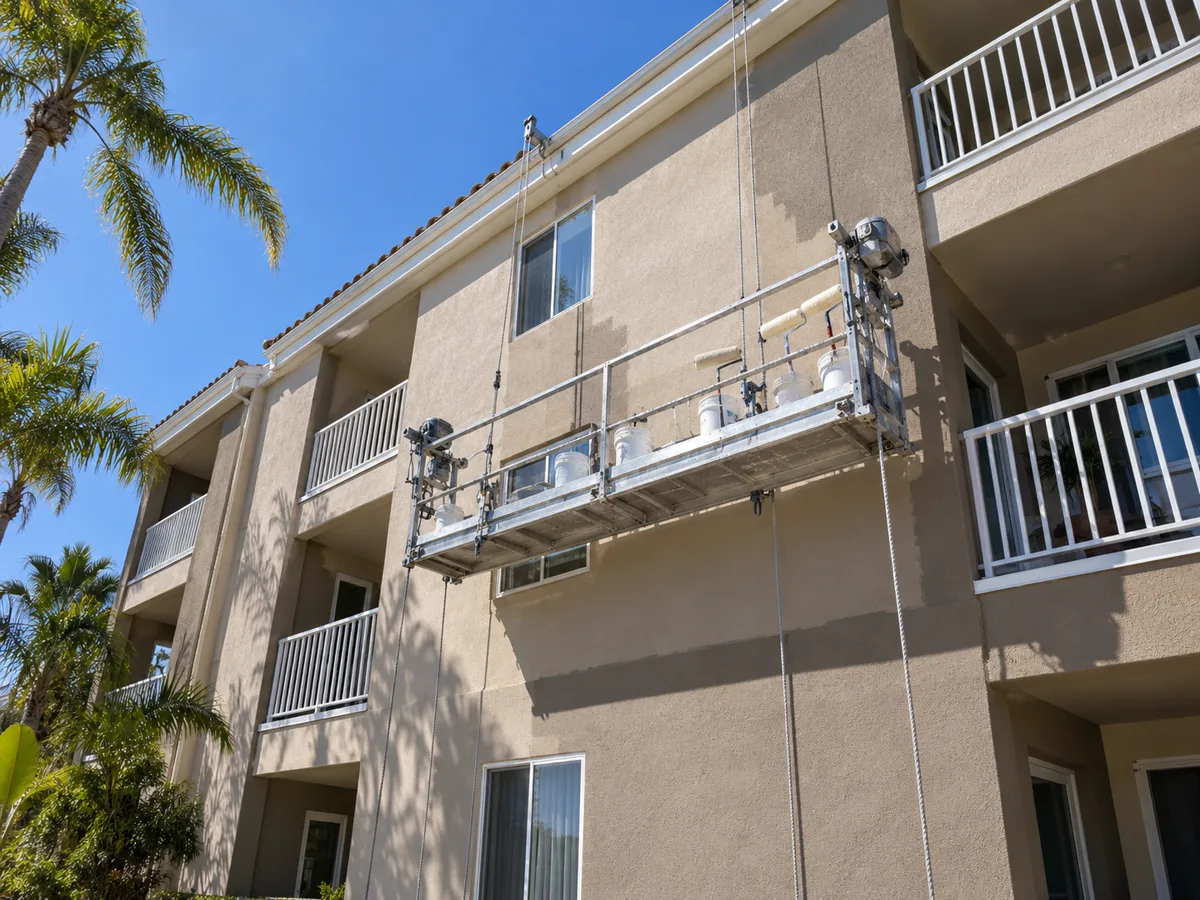
Occupied buildings, stairways, balconies and railings, sequenced one building at a time.
Vacant apartments repainted between tenants to one color standard, priced per floor plan.
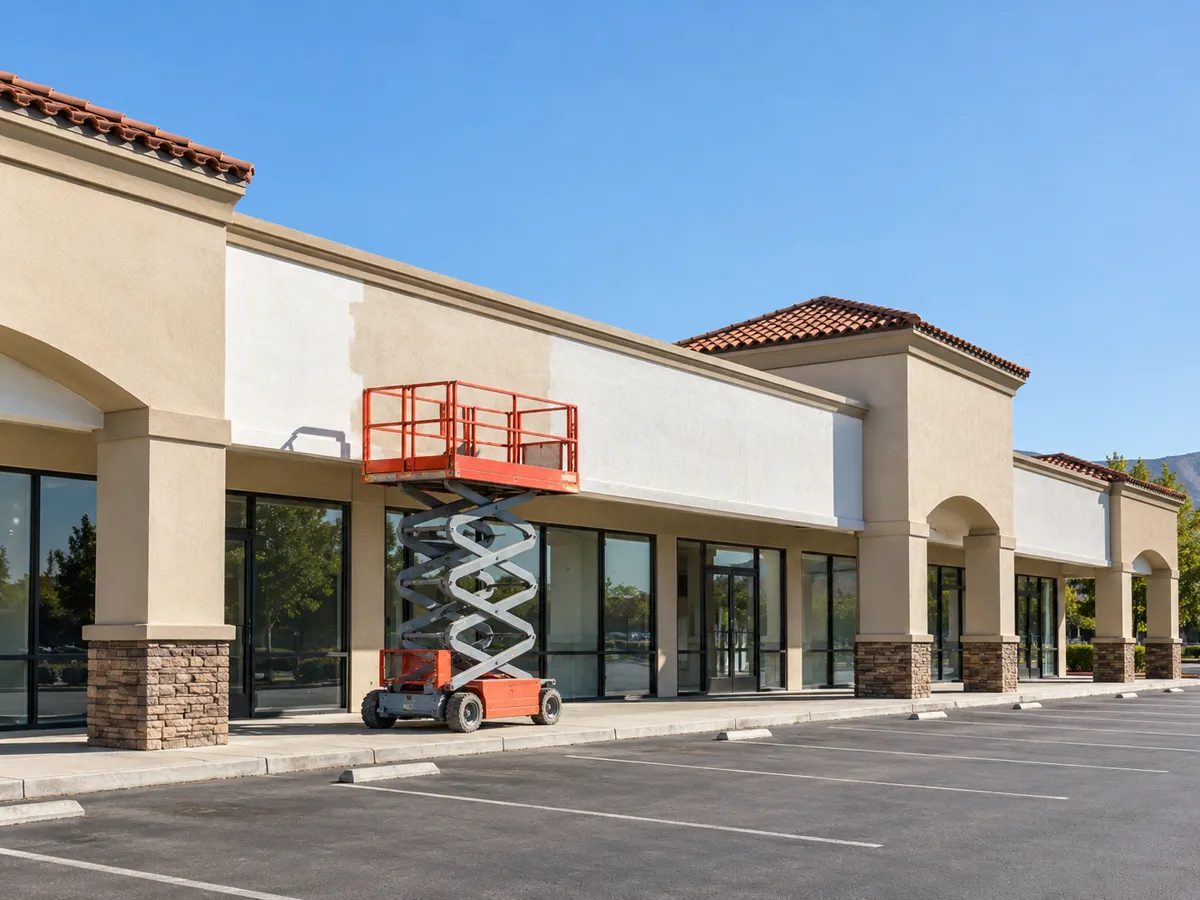
Concrete panel walls, dock doors and steel worked from lifts around truck traffic.
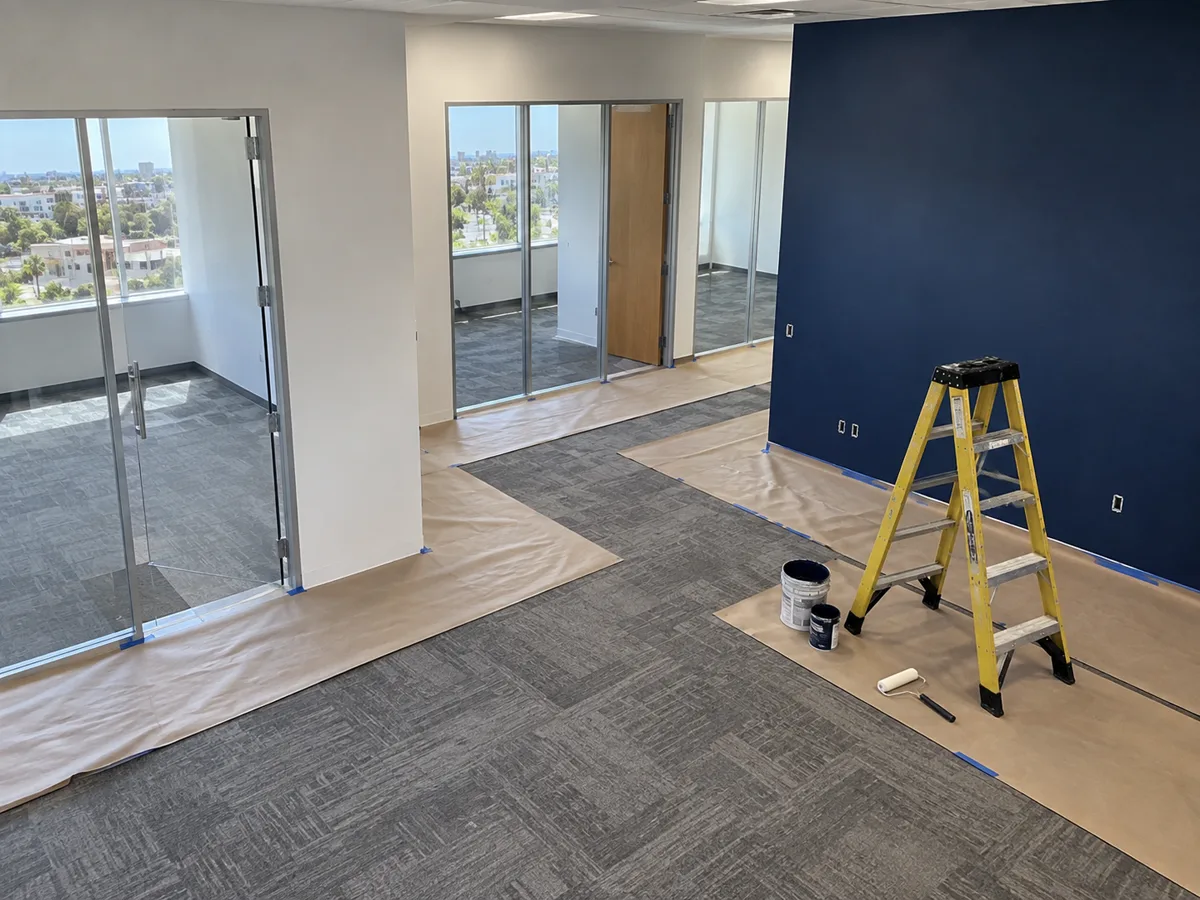
Suite repaints and new build-outs inside a general contractor's schedule.
Clinical rooms painted after hours with low-odor products.
Storefronts, facades and dining rooms timed around opening hours.
Paint packages for new homes, infill lots and ADUs, priced per plan.
Riverside is the county seat of Riverside County, and the city holds legal, accounting, engineering and banking firms along with county offices, so downtown carries a steady supply of office floors and suites. Hillside Hunter Industrial Park is one of the city's named neighborhoods, and across the wider Inland Empire the economy recovered at the start of this century on warehousing, shipping, logistics and retail, with distribution centers now built at very large scale.
The University of California, Riverside grew out of the Citrus Experiment Station of 1907, opened its School of Medicine to its first class in 2013, and plans for 35,000 students by 2035, which keeps apartment and medical space in demand around it. Downtown also has hospitality and dining built around the historic Mission Inn Hotel and Spa.
None of these is named as a client. They are the kinds of buildings this page was written for, and each has a page above that explains how its own schedule works.
A commercial bid is priced from the takeoff, not from a rate card. The measured square footage of each surface type is multiplied out against the prep, primer and coats it needs, and then the bid adds what the building itself demands: lifts or scaffolding for the height, the number of phases and mobilizations, after-hours or night work for offices, clinics, retail and restaurants, shift-based scheduling at warehouses, tenant notices and the punch list walks.
Surface condition moves the number most. Chalking stucco needs washing and a bonding primer, cracked sealant at concrete panel joints needs cutting out and replacing, and rusted steel needs scraping and a primer made for metal before any finish coat goes on.
For scale only, a single commercial painting contract in this area is typically estimated at roughly $15,000 to $250,000, depending on the building count, the height and how many phases the work is split into. These are budgetary estimates, they are subject to change once the property is walked and the specification is set, and the written bid sets the final price.
To start, send the plans, the specification or a building list, unit counts where they apply, any reserve study, and the hours the property cannot be disturbed, and we will schedule the walk and return a bid.

The process
Four steps, and nothing is painted until you have approved the scope and the colors.
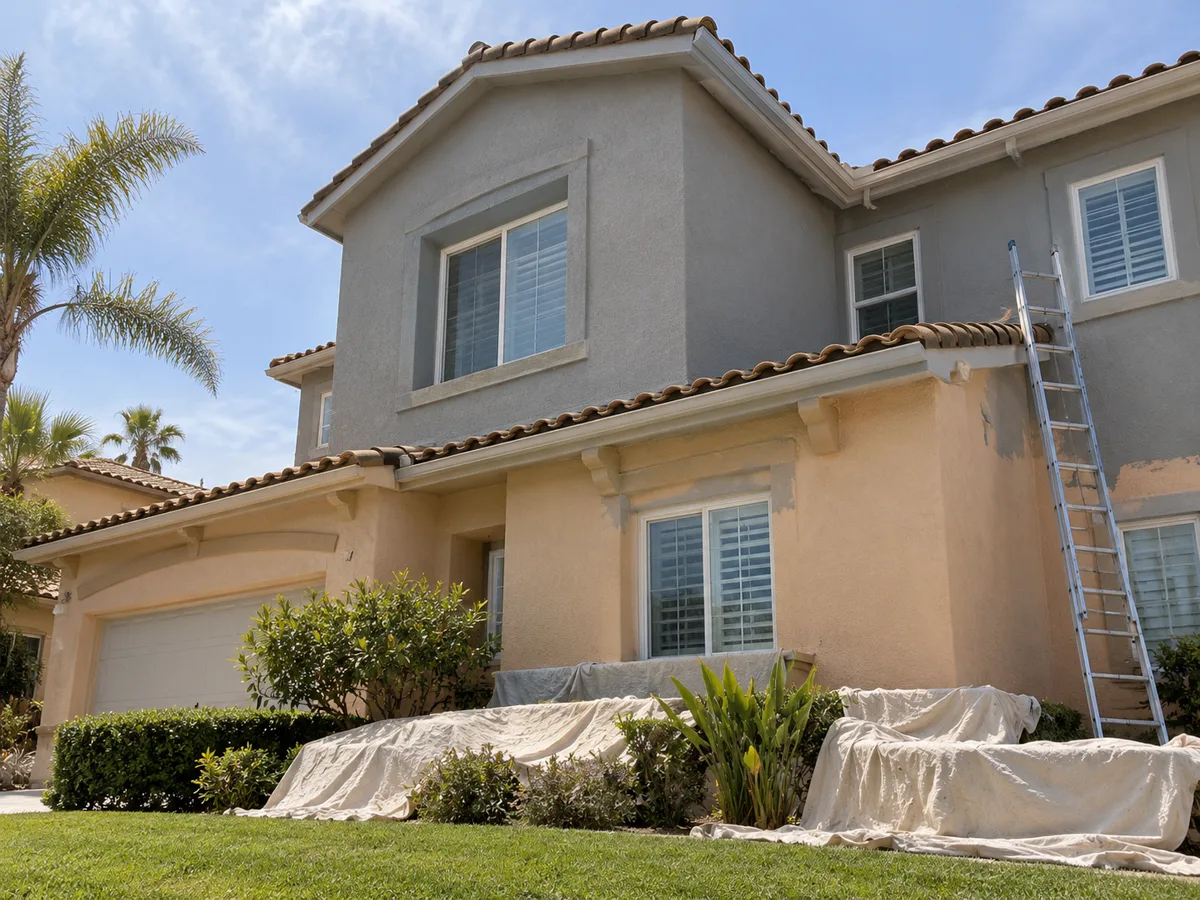
We walk the house or property with you, look at the stucco, the trim and the old coating, and note what the afternoon sun, the dry wind and the sprinklers have done to each side.
You get the prep, the products, the colors and the dates in writing. For an association or a building, the scope is phased so residents and tenants know which day is theirs.
Washing, scraping, patching and caulking come first, because that is what the paint holds on to. Then primer where it is needed and the finish coats.
We walk it again with you before we call it done, and touch up anything you point at.
Questions
Yes. A specification or a set of finish schedules lets us price the exact products named, and we still walk the building before the bid is final so access, height and existing conditions are priced from what is there.
Yes. Every bid is broken out by building, elevation or floor, so a manager can approve one phase and hold the rest. The deferred phases keep their own line prices so they can be scheduled later without a new walk.
Product data sheets for each coating, a color schedule, a certificate of insurance, a W-9 and references. Additional insured wording is arranged with the insurance agent when a contract requires it.
Where the building needs it, yes. Offices, clinics, retail and restaurants usually get interior work after hours, and the bid shows which phases are scheduled outside normal hours so that time is priced in.
The start date and the expected length of each phase are written into the bid, along with the submittal approvals that have to land first. Product approvals and a signed-off mockup area come before the first full phase.
One lead is named on the bid and stays the contact for the manager or general contractor through every phase, from the first walk to the final punch list.
A color and product schedule showing what went on each surface, the completed punch list for each phase, and the written warranty. Those records make later touch-ups and the next repaint easier to specify.
Coatings used in this region have to meet the South Coast AQMD's limits on volatile organic content, and inside occupied space we specify low-odor products and schedule interior rooms when the people using them have left.
Homeowners get a free on-site estimate. Boards, managers and contractors can send a scope for a bid.
Licensed, insured and bonded · License #585047. Calls only, we do not receive text messages.