Which Surfaces Can Take a Mineral Finish
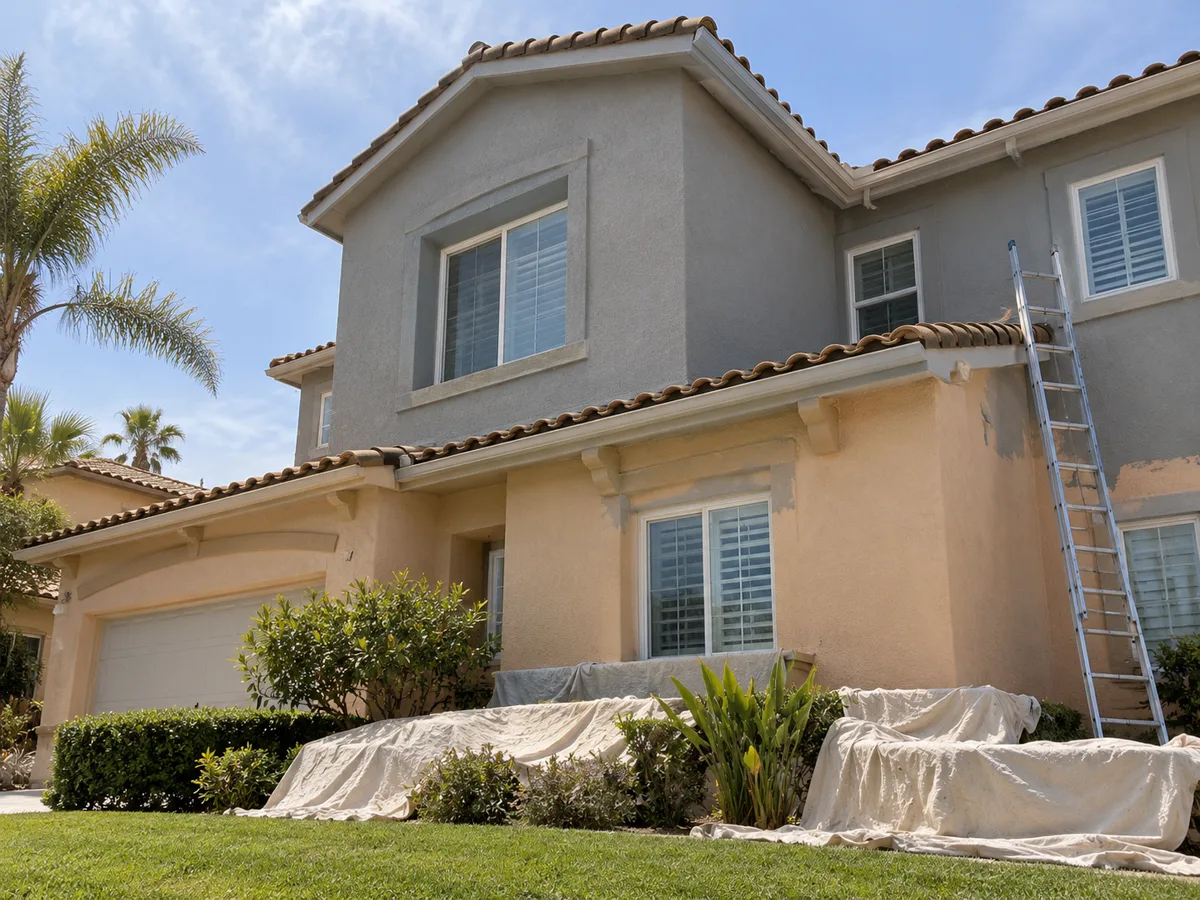
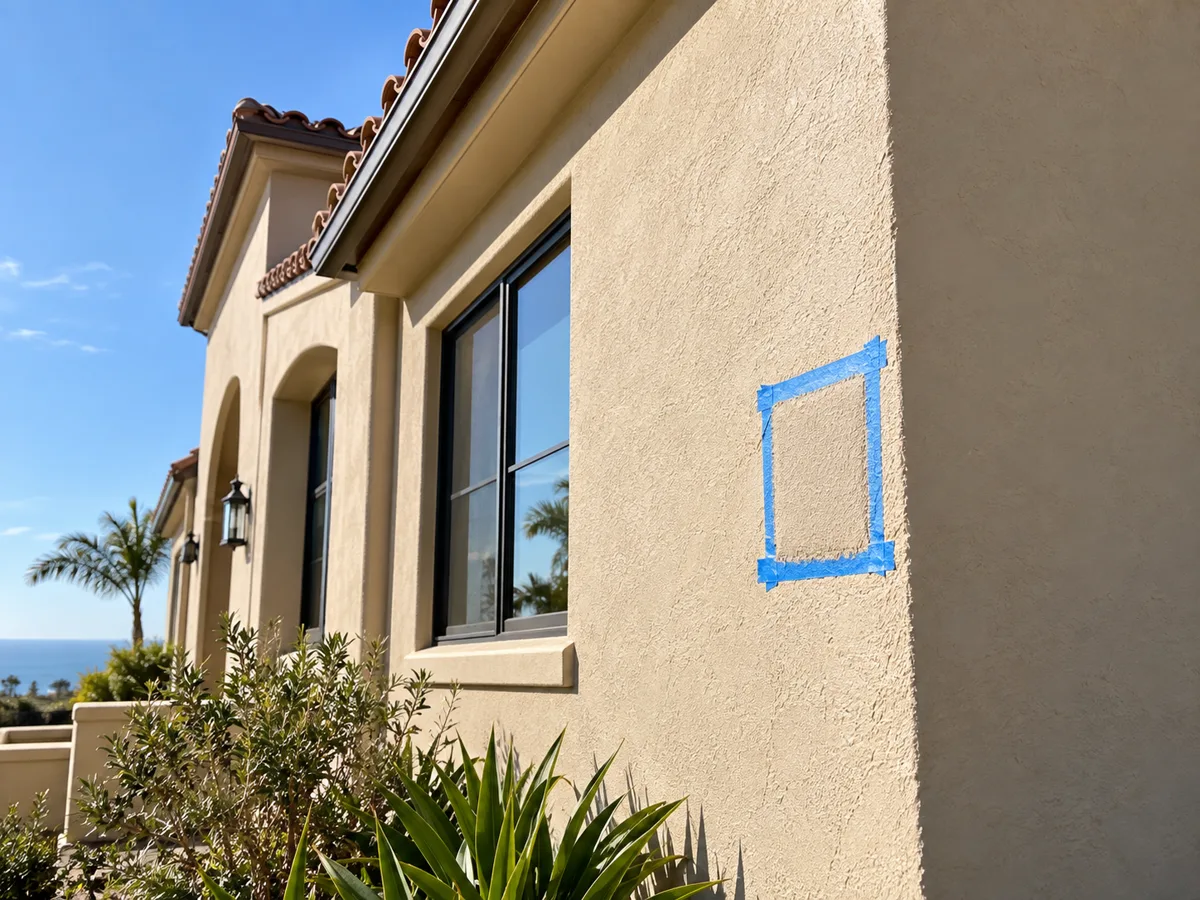
Limewash works by being drawn into the surface rather than sitting on top of it the way modern paint does, so it needs a mineral, absorbent substrate. Bare stucco, brick, stone and unpainted cement plaster are the natural fits.
A wall already painted with acrylic, or a sheet of drywall, is not absorbent, and limewash brushed straight onto it will stay powdery on the surface. Those walls need a mineral primer made for the purpose before any lime goes on; one limewash maker specifies its own primer for drywall, painted wood and unabsorbent brick.
Venetian plaster is less particular about what lies underneath, because it goes on over a primer and a basecoat in one to four layers, so a sound drywall wall can take it. Cracks, loose texture and old patches are dealt with first, since a thin polished finish shows every ridge.
Wet rooms need care. Polished plaster sealed with wax resists water, and tadelakt, a Moroccan lime plaster compressed with stone and treated with soap, is the traditional waterproof version for baths. Both are specialist work, and we tell you plainly where a finish suits a room and where it does not.