After-hours work
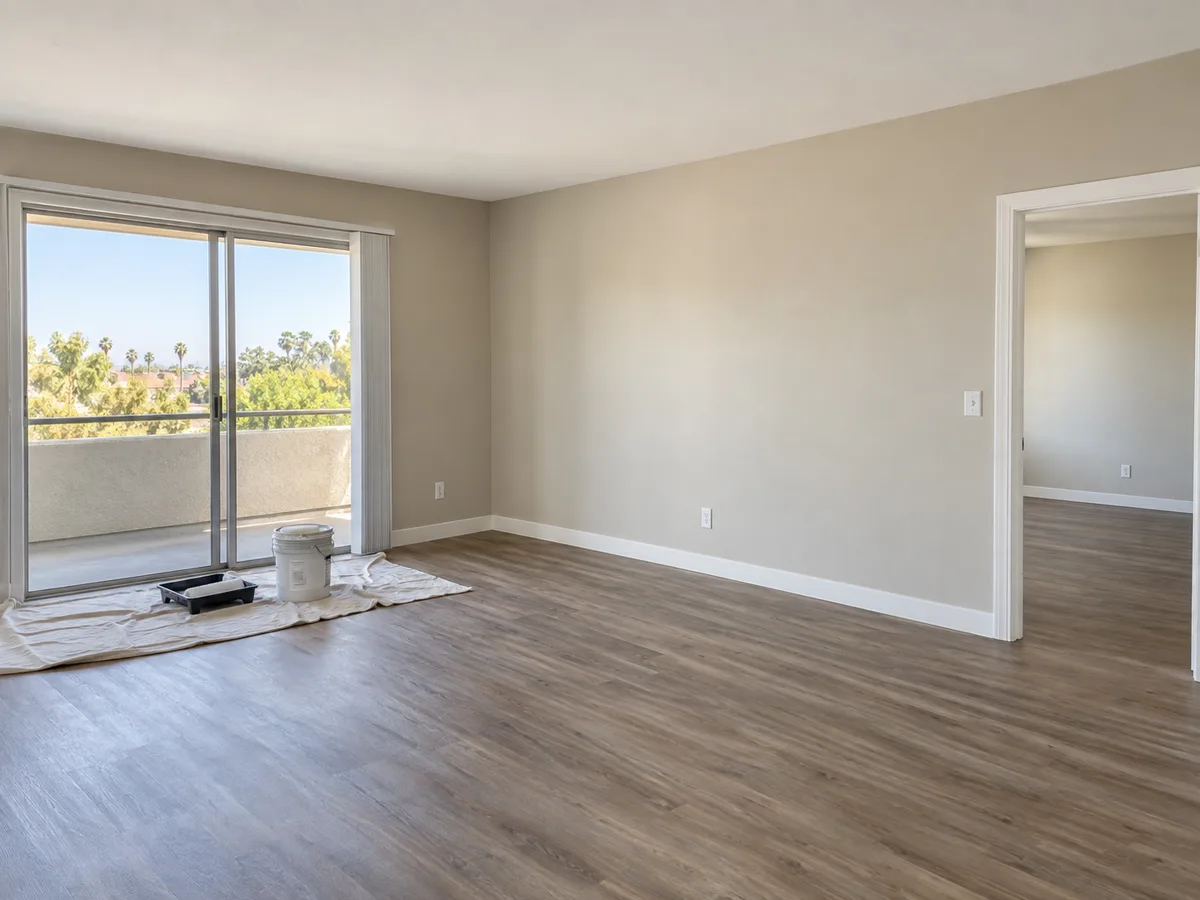
Most clinical rooms are painted in the evening or on a weekend, cleaned the same night, and handed back with furniture and equipment reset before the morning schedule starts.

Riverside Expert Painting offers medical office painting in Riverside, CA, as a specialist Riverside County painter for practice managers and medical building owners, specializing in low-odour exam room repaints, dental operatory painting and washable corridor finishes. We offer after-hours waiting room painting and medical building exteriors.
Get a free painting estimate
Or call (951) 631-9482. Calls only, we do not receive text messages.
Our team provides room-by-room containment and clean-up, delivering a suite ready for the next day's appointments for both residential and commercial projects. Before the first room is touched, we write a schedule by operatory and exam room with the practice manager and submit the product data sheets, so every coating and its odour is approved in advance.
From sealing a dust barrier around a single exam room to repainting every hallway, operatory and waiting area in phases, our team handles every detail. Serving Riverside, Norco and Woodcrest, we fit the work around your appointment book instead of asking you to close.
Why Riverside Expert Painting
No salesperson hands you to a stranger. The person who measures the job answers for it.
Medical and dental office painting in Riverside is done after hours or one room at a time, so patients keep being seen while the suite is repainted. The schedule is built from your appointment book, not ours: which operatories are free on which evenings, which exam rooms can come out of rotation for a day, and when the waiting room is empty.
Most clinical rooms are painted in the evening or on a weekend, cleaned the same night, and handed back with furniture and equipment reset before the morning schedule starts.
Where a practice runs late hours or weekends, rooms come out of service one at a time, so the rest of the suite keeps running and no patient walks past open work.
Corridors, the front desk and the waiting room are planned for the nights the whole suite is closed, because they cannot be taken out of service in pieces. Each evening's rooms are written into the schedule the practice manager approves, and any change is agreed before the crew arrives, never on the night.
Low-odour, low-VOC, washable coatings are specified in clinical rooms because patients and staff stay in the building while the work goes on. Volatile organic compounds are what give fresh paint its smell, and their short-term effects include eye, nose and throat irritation and headaches. Indoors their concentrations already run higher than outdoors, and healthcare settings add more from the cleaning and disinfecting that goes on all day.
Every product used must also meet South Coast AQMD Rule 1113, which limits the volatile organic content of architectural coatings in the district. Within those compliant lines we choose a low-odour product and check its data sheet for the washability and finish you need.
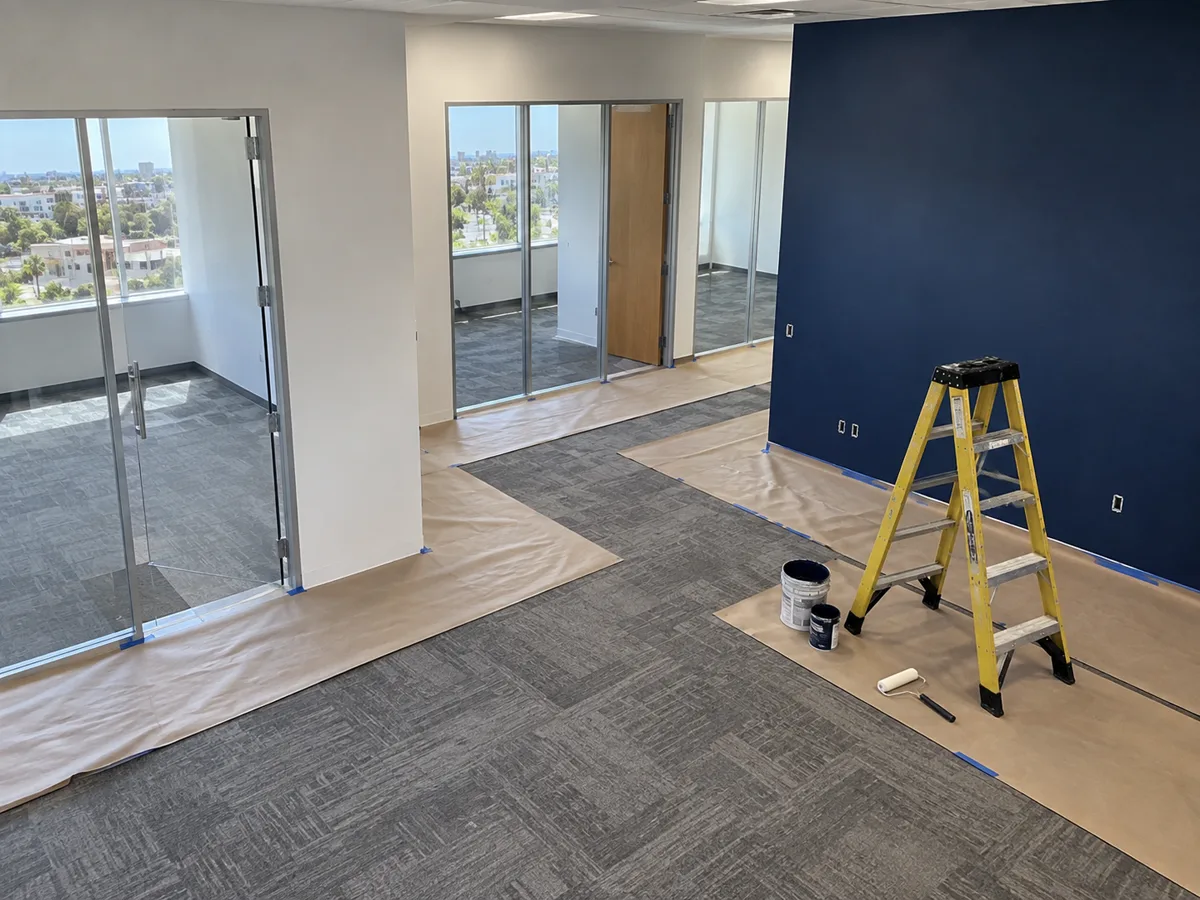
Dust and odour containment is planned with the practice manager before the first room is painted. CDC guidance for healthcare facilities supports an infection-control risk assessment before any repair or renovation expected to generate dust, and dust-control procedures and barriers while the work is under way. A repaint is a small job by that measure, but sanding, patching and removing old caulk all raise dust in a building full of patients.
So the plan is written, not assumed:
If your practice or building owner has its own infection-control policy or risk assessment form, we follow it and take part in the review, because the people who run the clinic know its rules better than any painter.
The rooms patients see first are the ones that wear fastest, and each one is scheduled on its own.
Chair backs scuff walls at a predictable height, so a waiting room repaint often adds a tougher finish or a contrasting wainscot color below the chair rail line.
Door frames and corridor corners take cart and wheelchair impacts. They are patched, primed and finished in an enamel that can be wiped down.
Cabinetry, chairs and equipment stay in place and are masked, and the walls behind and around them are painted by hand.
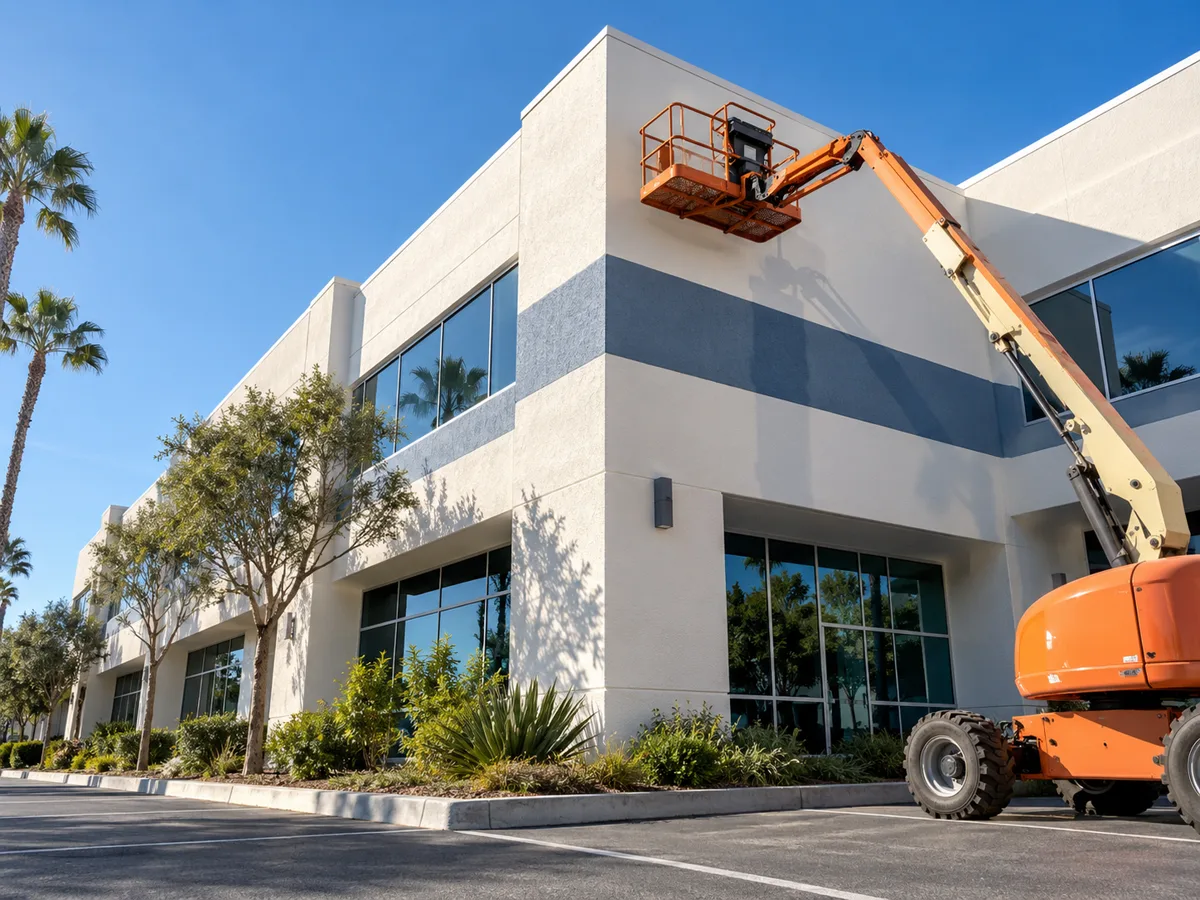
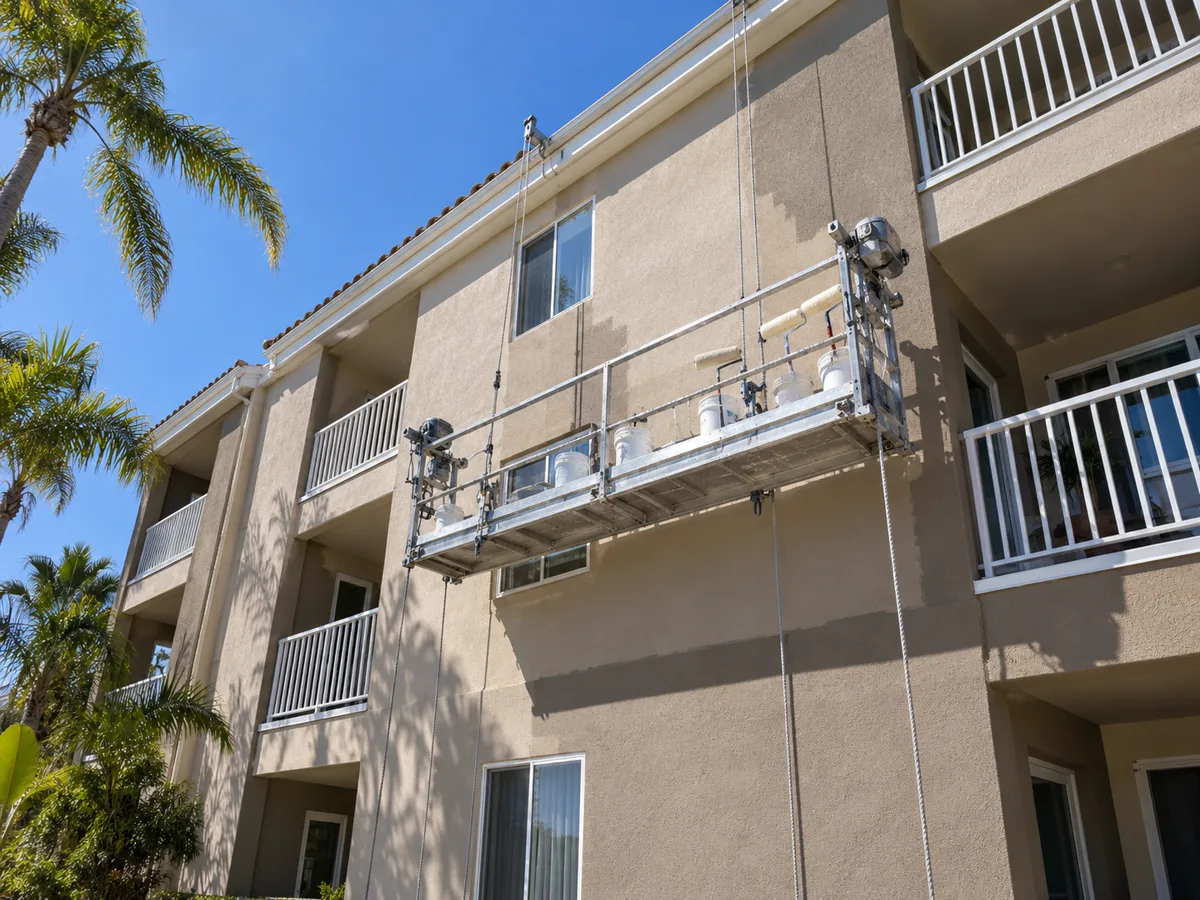
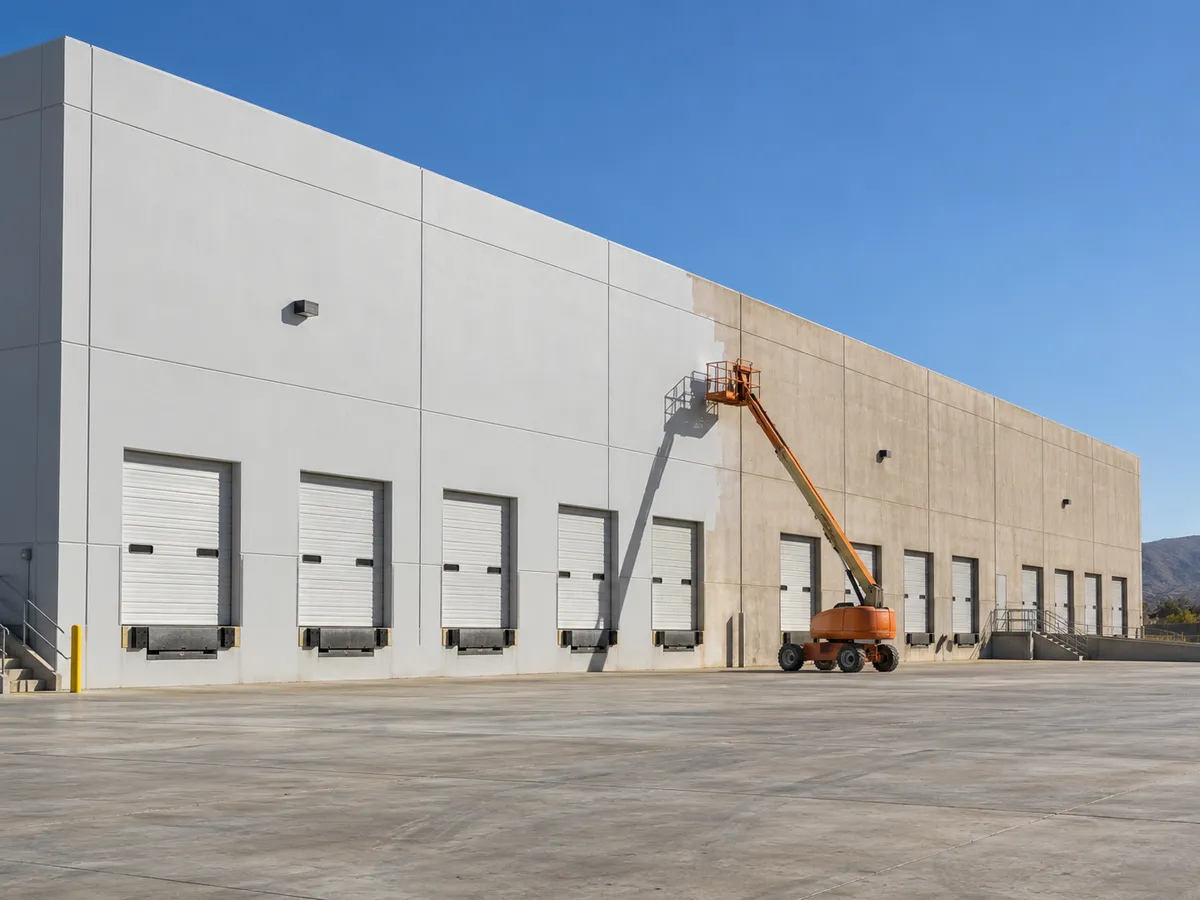
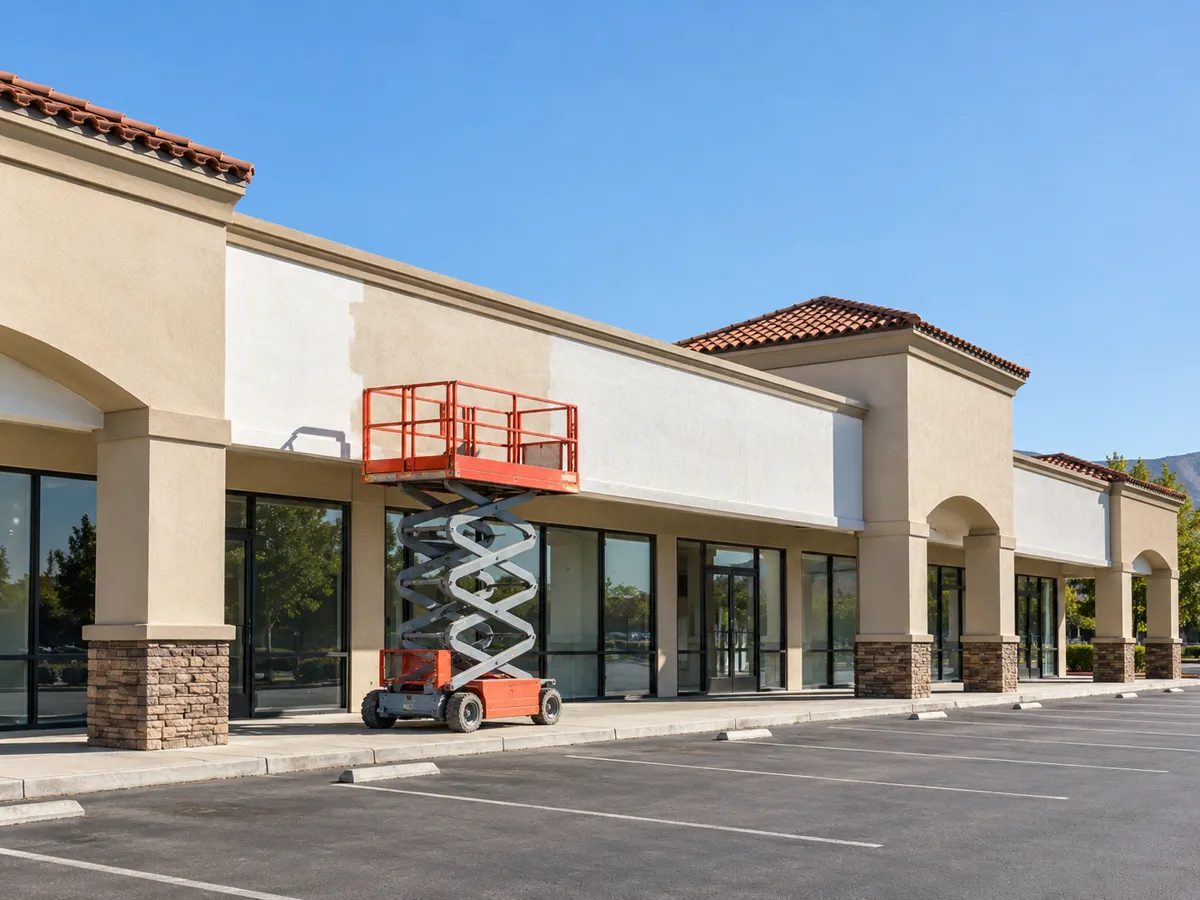
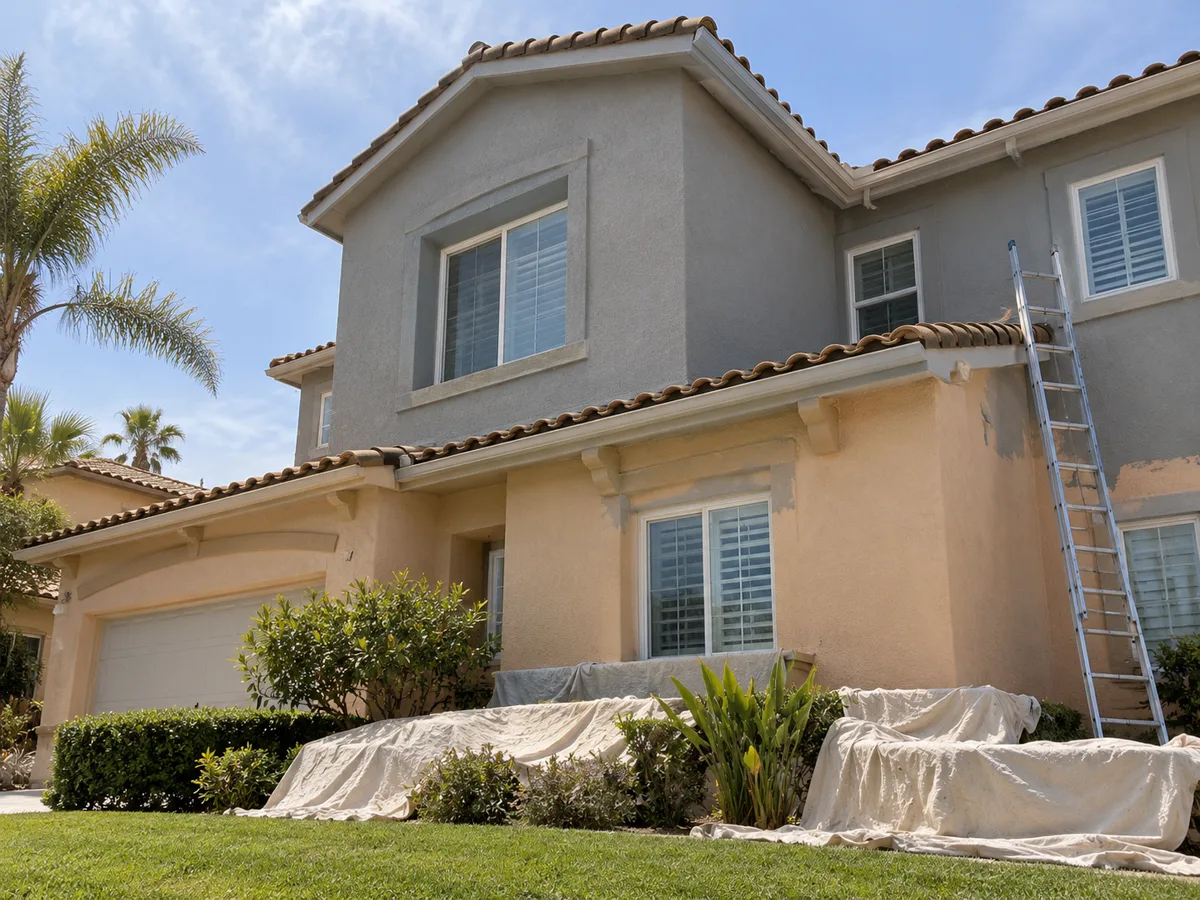
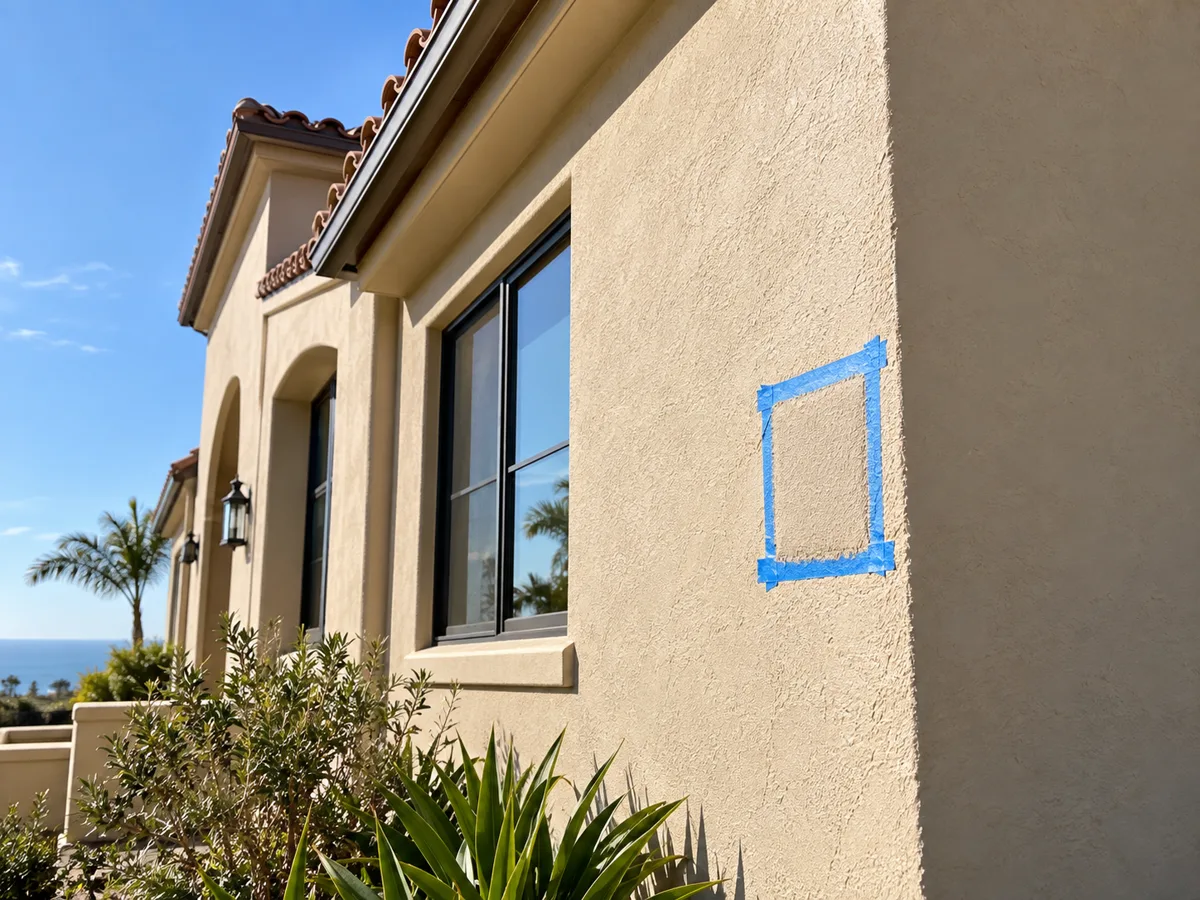
Stucco and concrete exteriors of medical buildings take the same inland sun and dust as any wall here, and entrances are phased so patients always have a clear way in. Riverside has three general acute care hospitals, and this page is about the clinics, dental offices and medical suites around the city, not hospital patient wings, which run their own construction rules.
The process
A clinical repaint repeats one short cycle per room, and the practice signs off each room before it goes back into use.
We walk every room with whoever owns the schedule, note equipment that stays, wall damage, sinks and casework, and mark which rooms hold patient records or supplies that must not be moved.
The rooms for each night, the barrier for each one, the products and their data sheets go to the practice in writing, and work starts only once it is approved.
Barriers go up, return air is covered, and patching and sanding happen inside the sealed room with dust collected as it is made.
Coats go on, the room is ventilated, every surface is wiped and the barrier comes down only after the room is clean.
Someone from the practice checks each room in the morning, and anything they flag goes on the punch list for the next visit.
A medical or dental office painting bid is built room by room: wall and ceiling area for each exam room, operatory, corridor and waiting area, door and frame counts, the coating specified for each room type, and the nights or weekends the practice can release. For budgeting, medical, dental and clinic painting with low-VOC products is typically estimated at roughly $20,000 to $120,000 per project, a range from industry ticket data rather than from a bid on your suite.
Send a floor plan, a room list or the building's specification for a bid. Every figure above is an estimate and subject to change; the written bid, prepared after a walkthrough of the suite, sets the final price.
Also from our crews
Questions
Yes. Clinical rooms are painted after hours or one at a time, and shared areas are done on nights the suite is closed, so your appointment schedule keeps running.
We choose low-odour, low-VOC products from lines that meet South Coast AQMD Rule 1113 and ventilate each room before handing it back. Sensitivity varies, so a sample room can be painted first for staff to check.
The containment plan is agreed before work starts: rooms sealed with plastic barriers, return air covered, dust collected at the source and every surface wiped before the barrier comes down. If your practice has its own infection-control form, we complete it with you.
Yes. Dental offices often release one operatory a day, and the schedule is written around that, with equipment masked in place and the room cleaned and returned before the next appointment block.
A washable finish rated for the wiping clinical rooms get, chosen from its product data sheet and checked against your cleaning products. Corridors usually take a harder finish on the lower wall.
Yes. Building owners and managers can bid corridors, lobbies and exteriors as one job, with each tenant practice given its own nights and its own notice before work reaches its suite.
Yes, from the brand specification or a sample. Deep colors are drawn down first and may suit an accent wall rather than a whole room, because more colorant means more odour and more coats.
A floor plan or room list, the hours and days the practice can release rooms, any infection-control policy the building follows, and access for a walkthrough of the suite.
Yes. Physical therapy gyms, chiropractic suites, optometry and imaging offices follow the same room-by-room plan, with the schedule built around whichever rooms the clinic can release.
Yes. Exterior elevations are phased so one entrance is always clear and signed, and work beside a waiting room window is timed for hours when the room is empty.
Homeowners get a free on-site estimate. Boards, managers and contractors can send a scope for a bid.
Licensed, insured and bonded · License #585047. Calls only, we do not receive text messages.