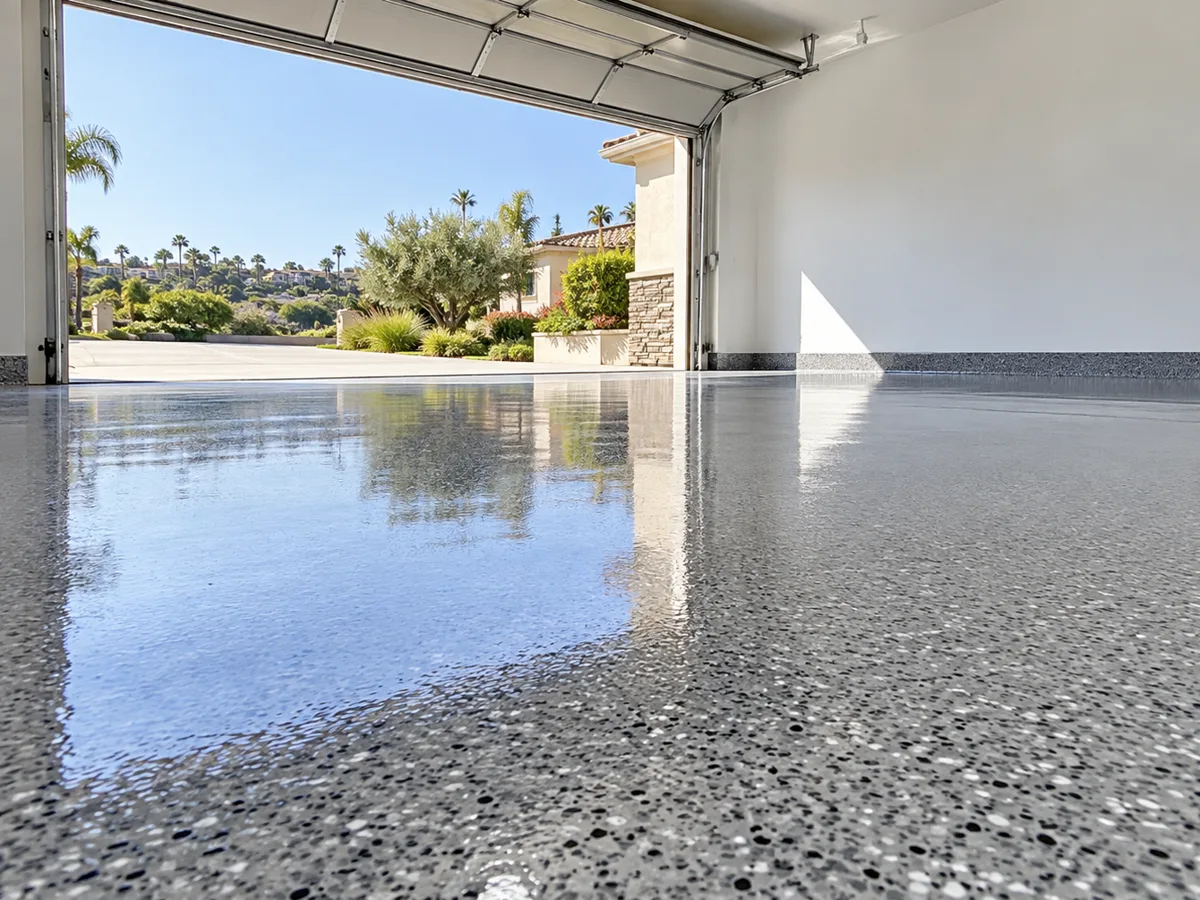
Lap siding
Clapboard, also called lap or bevel siding, is long horizontal boards overlapping one another. The bottom edge of each board and the overlap are where water runs, so those edges get close attention.

Riverside Expert Painting offers wood siding painting in Riverside, CA, as a trusted Riverside County painting and repair crew, specializing in lap siding repaints, board-and-batten restoration and hardboard siding repair. We offer rotted board replacement and full exterior repaints of wood-clad homes.
Get a free painting estimate
Or call (951) 631-9482. Calls only, we do not receive text messages.
Our team provides probe-and-repair work on every elevation before primer goes on, delivering sound, sealed siding for both residential and commercial projects. The crew that walks the house probes the siding with you, marks each soft board, and writes a written scope listing the repairs, the primer and the number of coats, so the carpentry and the painting are priced together.
From replacing a swollen hardboard panel at the bottom course to repainting a full wood-sided ranch house, our team handles every detail. Serving Riverside, North Tustin, Woodcrest and Norco, we finish the repairs before a single coat of color goes on.
Why Riverside Expert Painting
No salesperson hands you to a stranger. The person who measures the job answers for it.
Paint on wood siding fails from behind more often than from the front. Water gets into the wood at a joint, an end grain or a cracked coating, the wood swells and softens, and the paint over it blisters and lifts. Repainting over that wood only hides the damage for a season.
So the first job on the walk is finding it. Every elevation is checked by eye and by probe, with a pick or awl pressed into the boards at the places water collects: the bottom course near the ground and sprinklers, the ends of boards at corners and window trim, under window sills and around hose bibs and downspouts. Soft spots are marked and counted, and the count goes into the scope.
Small areas of soft wood are dug out, treated with a consolidant and filled with an exterior wood filler shaped to the board. Boards that have rotted through are cut out and replaced with matching stock, primed on every face, including the back and the cut ends, before they go on the wall.
Wood siding comes in several forms, and each behaves differently under paint.
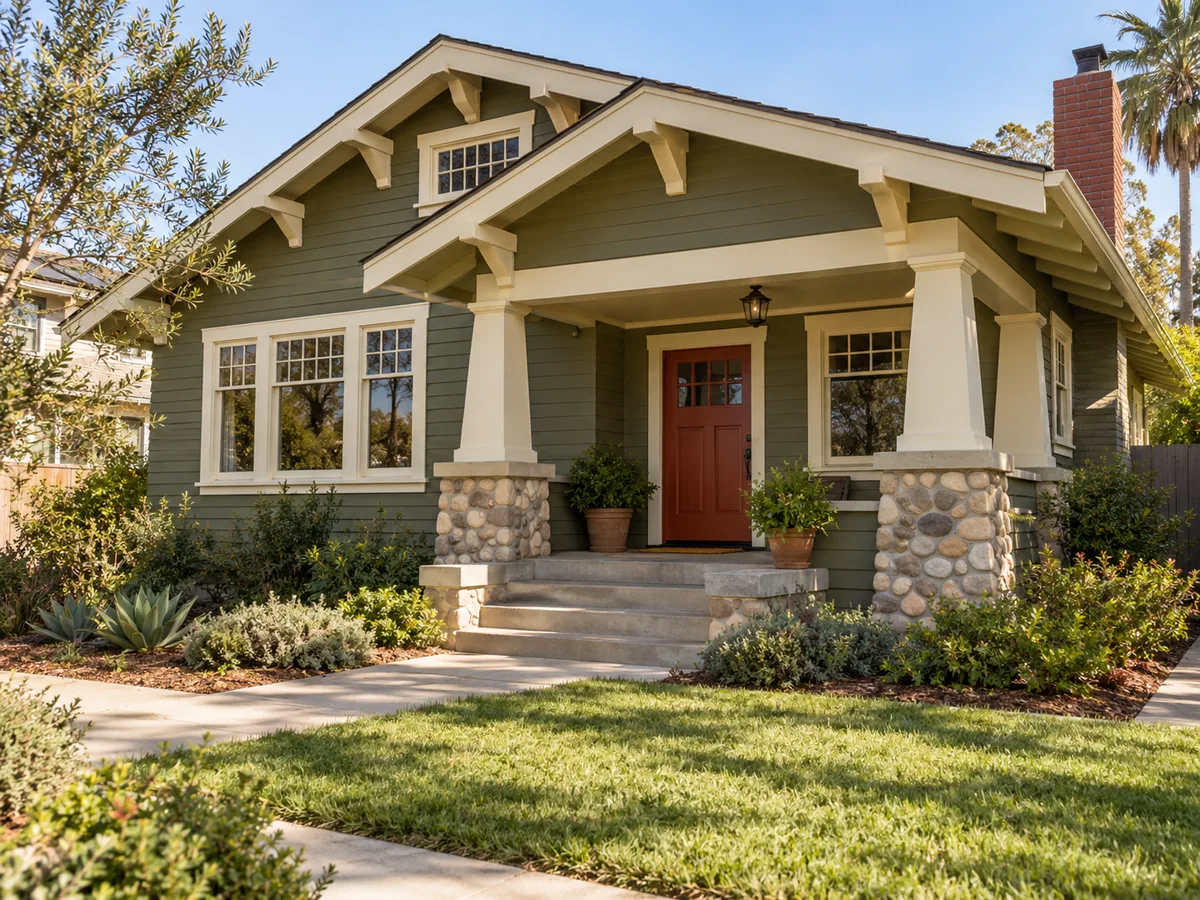
Clapboard, also called lap or bevel siding, is long horizontal boards overlapping one another. The bottom edge of each board and the overlap are where water runs, so those edges get close attention.
Vertical boards with narrow battens over the joints, common on barns, ranch houses and newer farmhouse-style homes. The battens shed water but trap it behind them when the caulk at their tops fails.
Tempered hardboard is a pressed wood-fiber panel used as siding on many postwar and later houses. It holds paint well while sealed, but where water reaches an unsealed cut edge it swells and crumbles, so edges and the bottom course are inspected closely and sealed.
Grooved plywood panels are common on ranch homes and outbuildings, and their grooves and bottom edges are where they delaminate first.
Wood moves with heat and moisture, so the coating system has to move with it. Three principles run through every siding job we do: paint holds best on sound, clean, dry wood; bare or weathered wood is primed before it is painted; and the finished coating is kept intact so water cannot get behind it.
The sequence is wash, let dry, scrape loose paint to a sound edge, sand edges smooth, prime every bare spot and every repair, caulk the joints that should be sealed, then apply two finish coats of a quality exterior paint. On weathered wood that has turned gray, the surface is sanded back to fresh fibers first, because paint bonds poorly to sun-damaged wood.
Every coating used has to meet the South Coast AQMD's Rule 1113 limits on volatile organic content, which today means acrylic latex primers and paints for most siding, with an oil or shellac-based stain-blocking primer only where knots or tannin bleed call for it.
The trim on a wood-sided house is where the details are, and where the paint fails first.
Corner boards and window and door casings meet the siding at end grain, which drinks water. Those joints are caulked with an exterior sealant where they meet the siding, and the end grain is primed before the joint is sealed. Window sills and the tops of head trim are sloped surfaces that hold water, so they are checked for soft wood and given an extra coat where they take weather.
The bottom course needs the opposite care. The lowest edge of each lap board is left open so water can drain out from behind, rather than caulked shut, and the bottom of the wall is kept clear of soil and mulch where possible. Sprinklers aimed at siding are one of the main reasons the bottom course rots on inland houses, so we point out any heads that need moving.
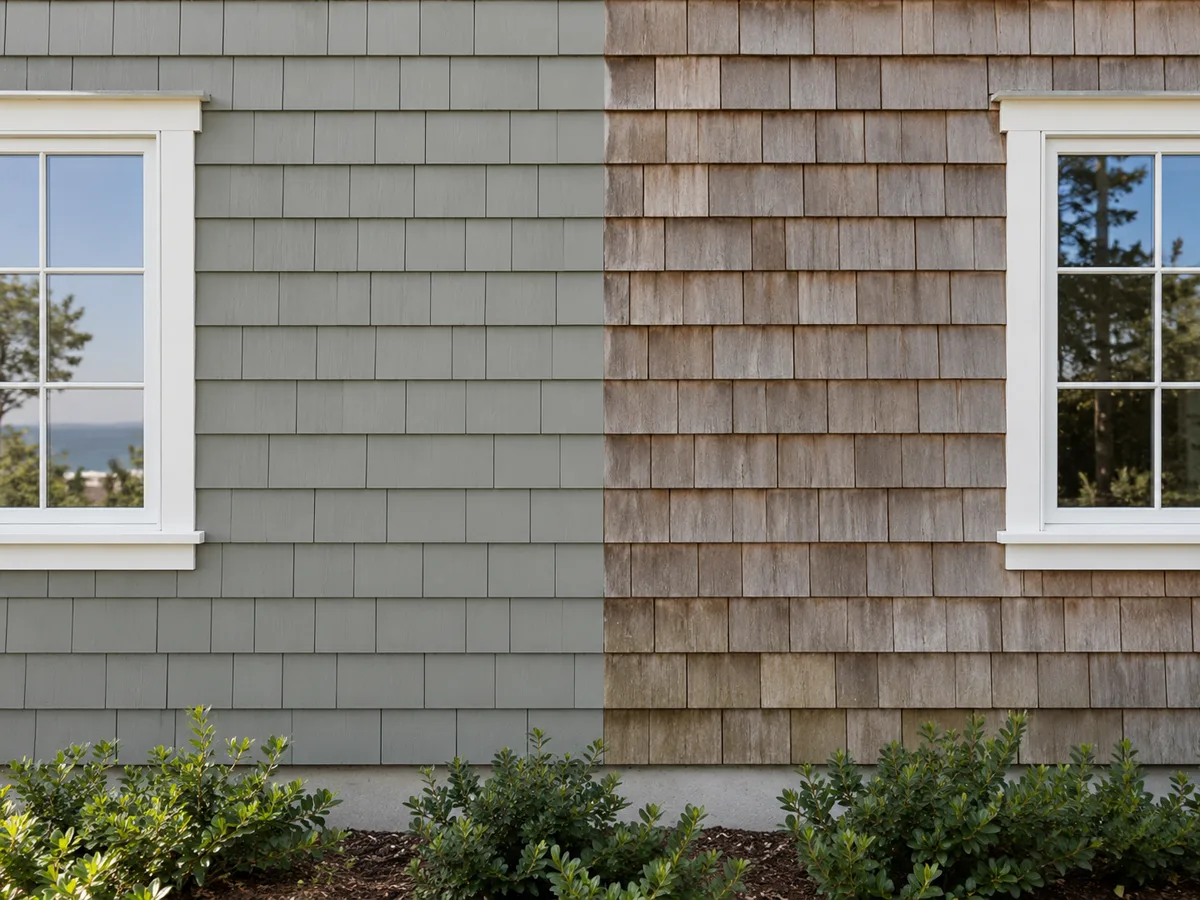
Dark colors on wood siding absorb more heat in sun, which makes the boards move more and can shorten the life of the coating. On the south and west walls of a house here, a lighter body color is often the practical choice, and dark colors are kept to doors and accents where heat matters less.
Paint should not go onto siding while the boards are baking in full sun. The crew works the walls in the order the shade moves around the house, the east side in the morning and the west side late in the day, so the coating can level and bond rather than skinning over too fast.
The Santa Ana winds, which bring hot, dry autumn weather, also carry dust onto wet paint and push spray mist across a lot, so spraying stops on wind days and the work continues by brush and roller where it can.
The price of a siding job depends on how much carpentry it needs as much as on the size of the walls. The number of boards to replace, the amount of filler and consolidant, the type of siding, the height of the walls, the amount of trim and the color change all move the number.
As a guide, repainting a whole wood-clad house with normal repairs is typically estimated at roughly $6,000 to $20,000, with houses that need many replacement boards or extensive hardboard repair at the higher end.
These are estimates only, they are subject to change once the siding has been probed and the repairs counted, and the written quote sets the final price.
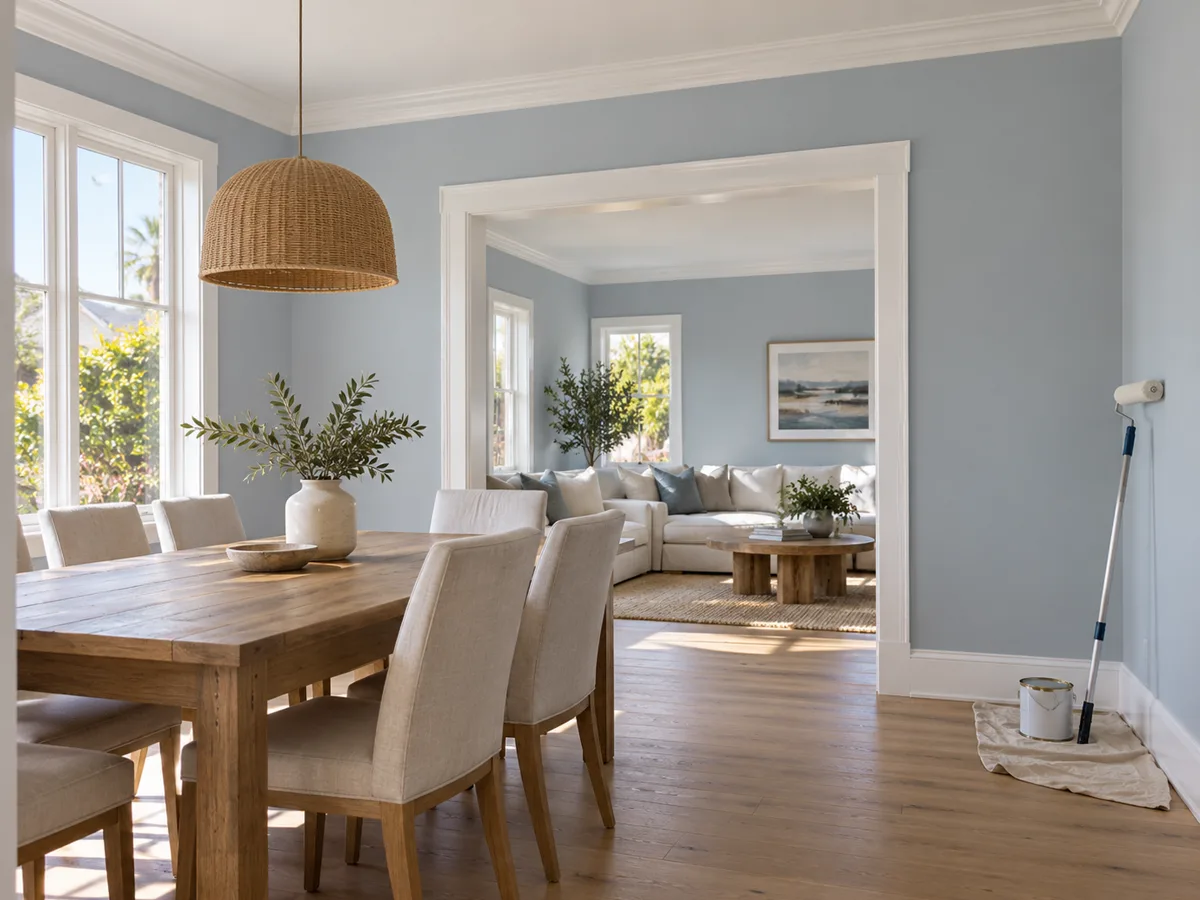
The process
Four steps, and nothing is painted until you have approved the scope and the colors.
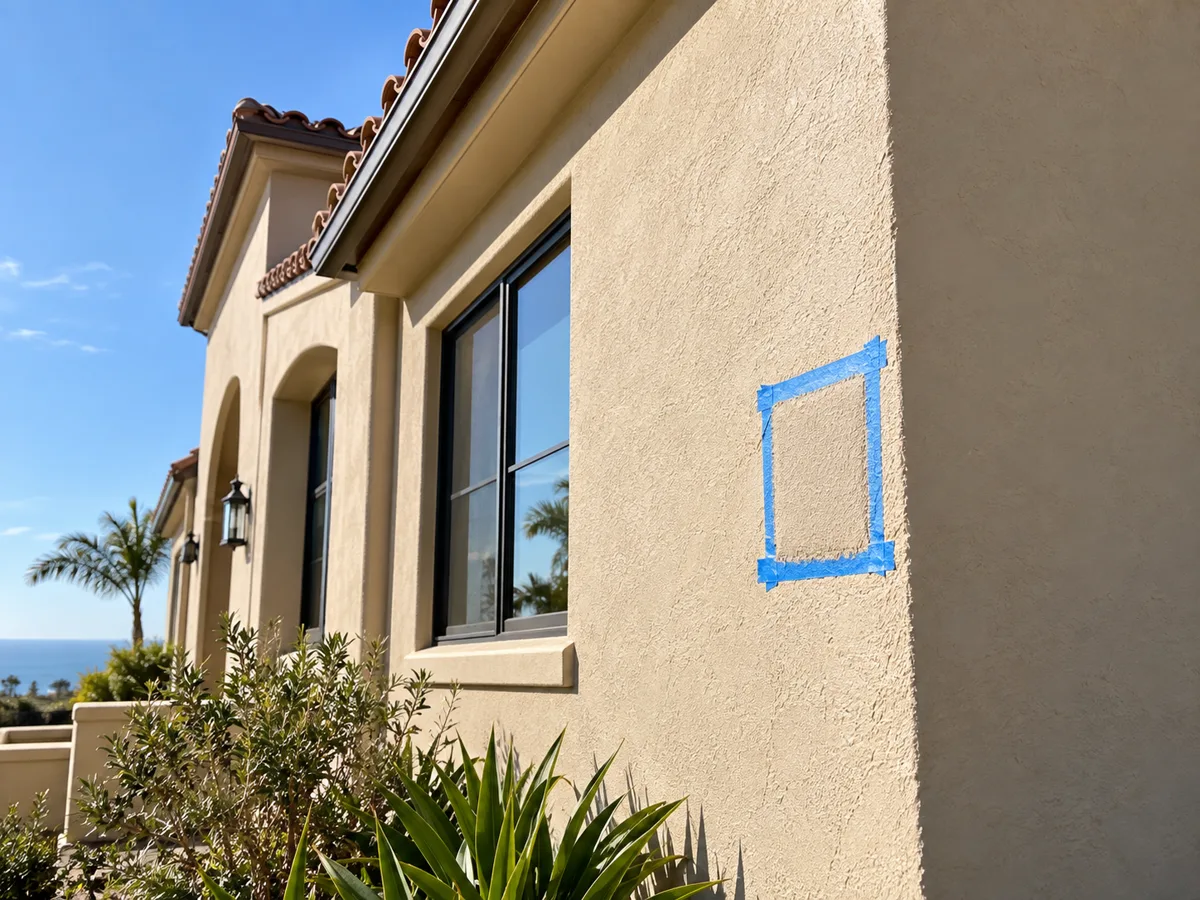
We walk the house or property with you, look at the stucco, the trim and the old coating, and note what the afternoon sun, the dry wind and the sprinklers have done to each side.
You get the prep, the products, the colors and the dates in writing. For an association or a building, the scope is phased so residents and tenants know which day is theirs.
Washing, scraping, patching and caulking come first, because that is what the paint holds on to. Then primer where it is needed and the finish coats.
We walk it again with you before we call it done, and touch up anything you point at.
Questions
Look for paint that blisters or peels in one area, boards that are swollen at the ends, and soft spots near the ground or under windows. On the walk we probe those areas and mark every board that needs repair.
Yes. Rotted boards are cut out and replaced with matching stock, primed on all sides, and the rest of the wall is repaired and repainted around them.
Usually, if most of it is sound. Hardboard holds paint well while it stays sealed. Swollen or crumbling panels are replaced, and every cut edge is sealed before painting.
No. Joints at trim and corners are sealed, but the bottom edge of lap siding is left open so water can drain. Caulking it shut traps water behind the boards.
You can, but on sunny walls a dark color runs hotter and moves the wood more, which can shorten the life of the paint. Many owners keep the body lighter and use dark colors on doors and accents.
Yes. Trim, fascia, window and door casings are part of the siding scope, prepared and painted with the walls so the whole exterior is finished together.
It means the older paint may contain lead, so scraping and sanding are done with containment, misting and careful clean-up. The lead-safe steps are written into the scope.
Yes. Board-and-batten barns, sheds and garages are scoped as their own items, with the same repair-then-prime approach used on the house.
Yes. Upper walls are reached from extension ladders or a lift depending on the ground below, and the access plan is agreed on the walk so landscaping and walkways are protected.
Yes, if the siding has never been painted or has been stained before. Painted siding cannot go back to a stain without stripping, so on most older houses a solid stain or paint is the realistic choice.
Homeowners get a free on-site estimate. Boards, managers and contractors can send a scope for a bid.
Licensed, insured and bonded · License #585047. Calls only, we do not receive text messages.