Stone and hardscape
Natural stone veneer, flagstone paths, pavers and decorative concrete are covered, and the edges where paint meets stone are cut in by hand.

Riverside Expert Painting delivers luxury home painting in Riverside, CA, as a leading Riverside County painting contractor for large properties, specializing in estate exterior repaints, guest house and outbuilding coatings, and fine interior finishing. We offer phased whole-property repaints and decorative wall finishes.
Get a free painting estimate
Or call (951) 631-9482. Calls only, we do not receive text messages.
Our team provides one coordinated plan for every building on the lot, delivering a consistent finish across the whole property for both residential and commercial projects. The person who walks the estate with you or your estate manager writes a written scope building by building with the primer and coats for each surface, and stays your contact until the final walkthrough of the painting.
From touching up a gate pier and refinishing iron railings to repainting a main house, a guest house and a barn on one schedule, our team handles every detail. Serving Riverside, Villa Park, Yorba Linda and Diamond Bar, we plan the work around the household, the staff and the landscaping.
Why Riverside Expert Painting
No salesperson hands you to a stranger. The person who measures the job answers for it.
On a large property the house is only one building. A full estate scope usually covers the main house, a guest house or casita, a pool house, a garage or carriage house, garden walls and gate piers, iron gates and railings, and on rural lots a barn or stable as well.
Each building is listed separately with its own surfaces, prep and products, so an owner can see what each part costs and choose to phase the work. A common plan is to paint the main house and the walls seen from the drive first, then the secondary buildings in a second phase, keeping the whole property in one color scheme so the phases match.
Neighborhoods such as Hawarden Hills, Alessandro Heights and Victoria in Riverside, along with the estate areas in the nearby hills, bring large footprints, long walls and grade changes, so access and staging are planned on the walk rather than on the first morning.
On an estate the surfaces that are not being painted are often worth more than the paint. Before any spraying or scraping starts, the protection plan is set out.
Natural stone veneer, flagstone paths, pavers and decorative concrete are covered, and the edges where paint meets stone are cut in by hand.
Pools, spas and fountains near a painted wall are covered against overspray and dust, and wash water from prep is kept out of them.
Shrubs and beds against the house are tied back and covered with breathable cloth, and irrigation is adjusted for the work days so wet walls do not delay painting.
Inside, floors, stone counters, built-ins and fixtures are covered, and rooms in use are sealed off one at a time.
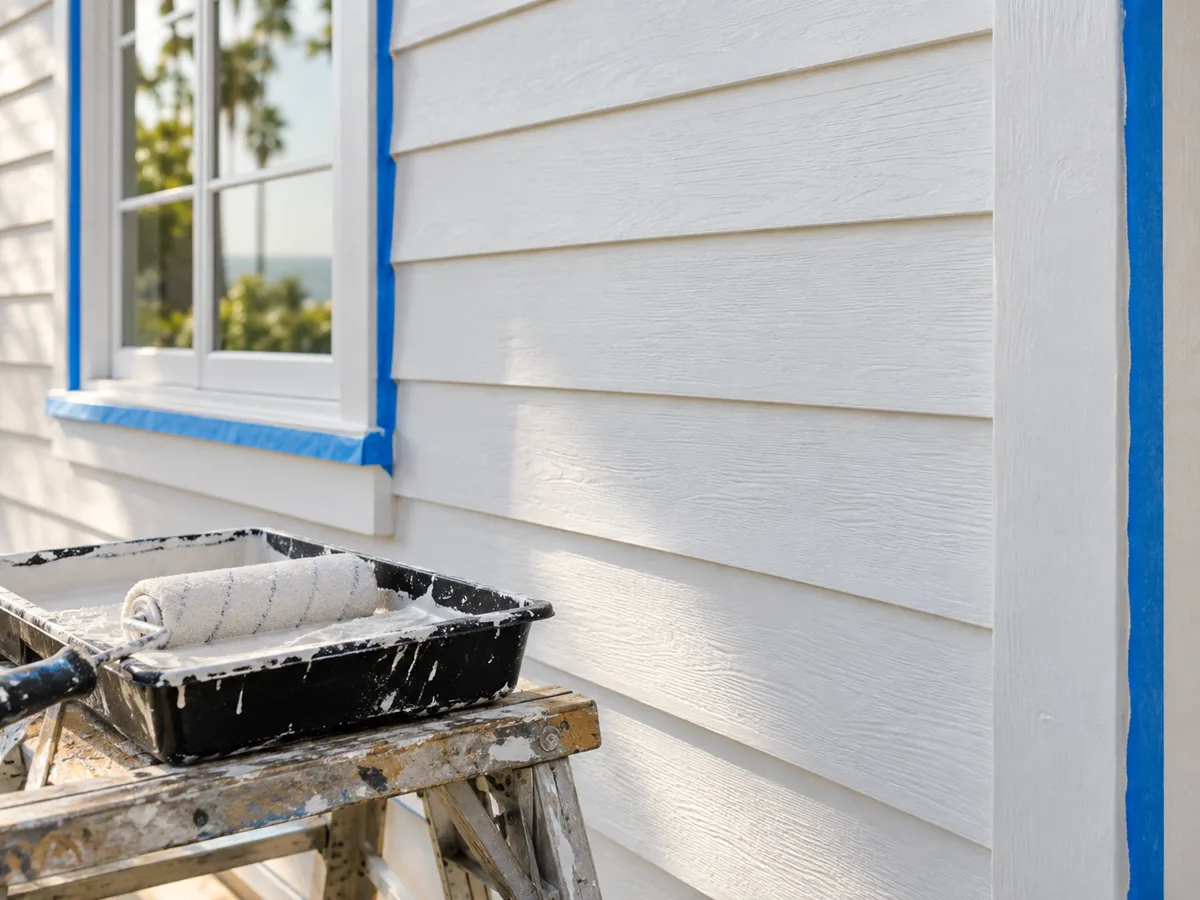
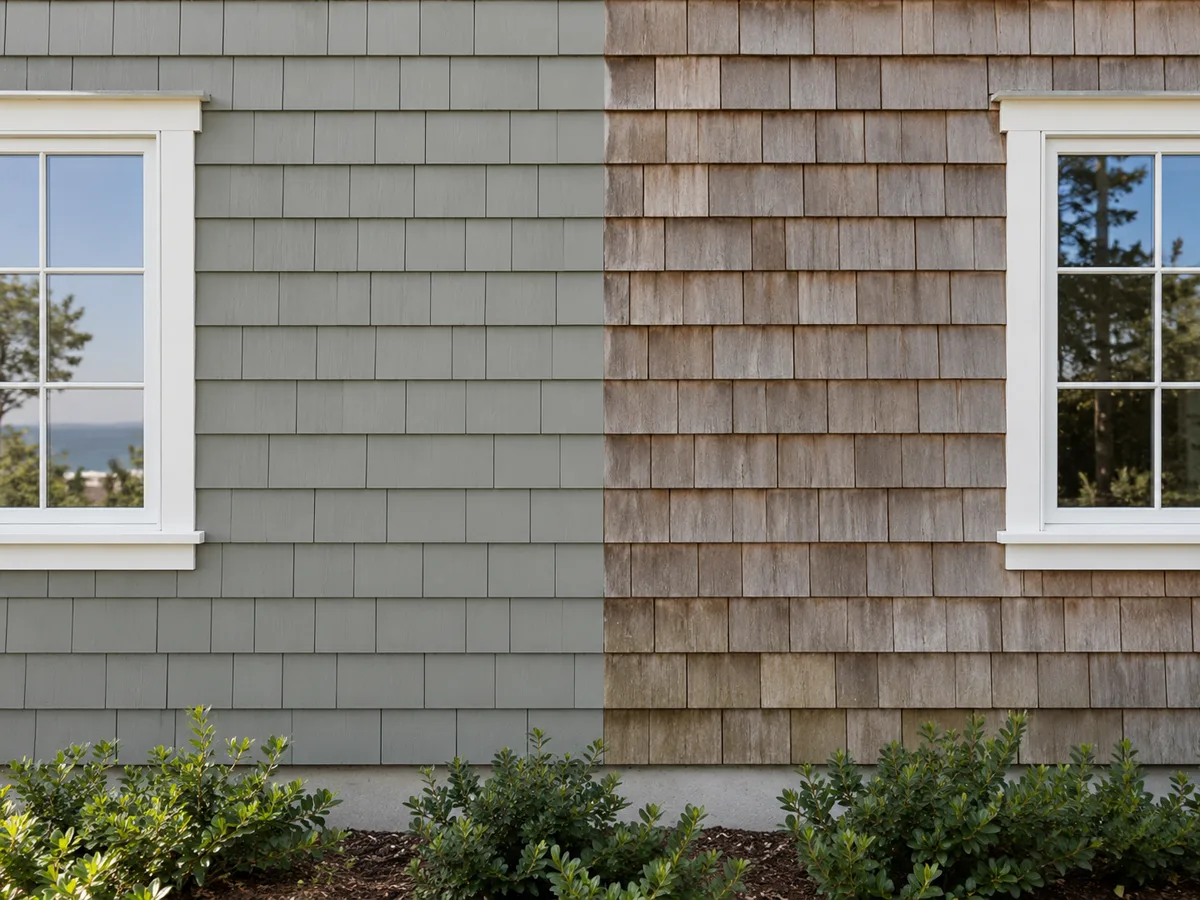
Secondary buildings often carry different materials from the main house. A stucco main house might sit beside a board-and-batten barn, a wood pergola and an iron gate, and each of those takes a different product.
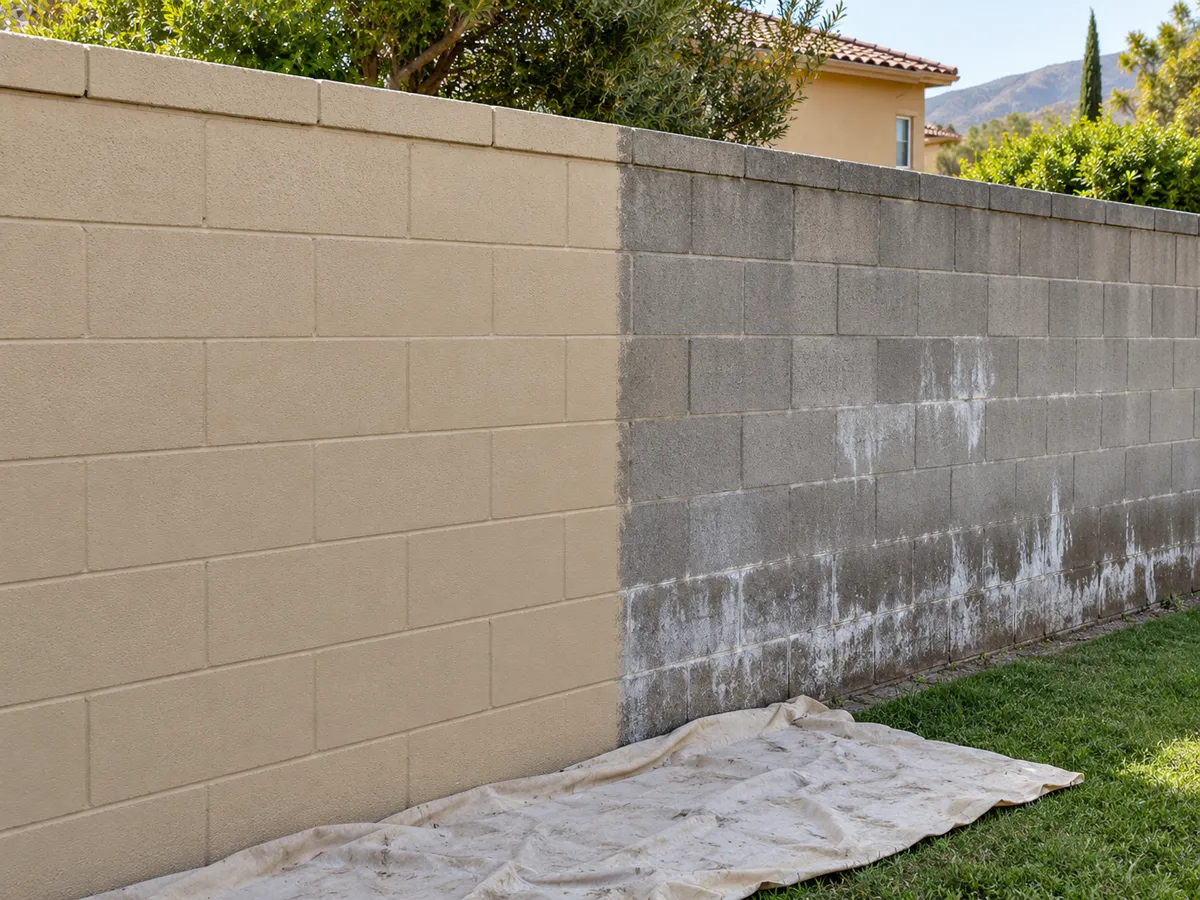
Wood outbuildings are cleaned, repaired and either stained or painted. Iron gates, fences and railings are cleaned of rust to sound metal, spot-primed with a rust-inhibiting primer and finished in an exterior enamel, because bare spots on iron rust back quickly. Garden walls and gate piers in stucco or block are patched, cleaned of sprinkler stains and coated to match the house.
On equestrian properties the barn and stables are scheduled so the horses can be moved around the work, and products are kept well away from stalls and feed.
Large homes are often run by more than one person: an owner, an estate manager, a designer or an architect. A single project lead keeps the job in one set of hands.
That person walks the property, writes the scope, presents the color samples, agrees the schedule with the household or staff, and is on site or on the phone through the job. Changes are written down and priced before they are made, so nobody is surprised at the end. Designers and architects can send a color schedule and finish specification, and the scope is written to match it item by item.
At the end, the project lead walks every building with you and closes a punch list before the job is called finished, and the colors and products used are recorded for future touch-ups.
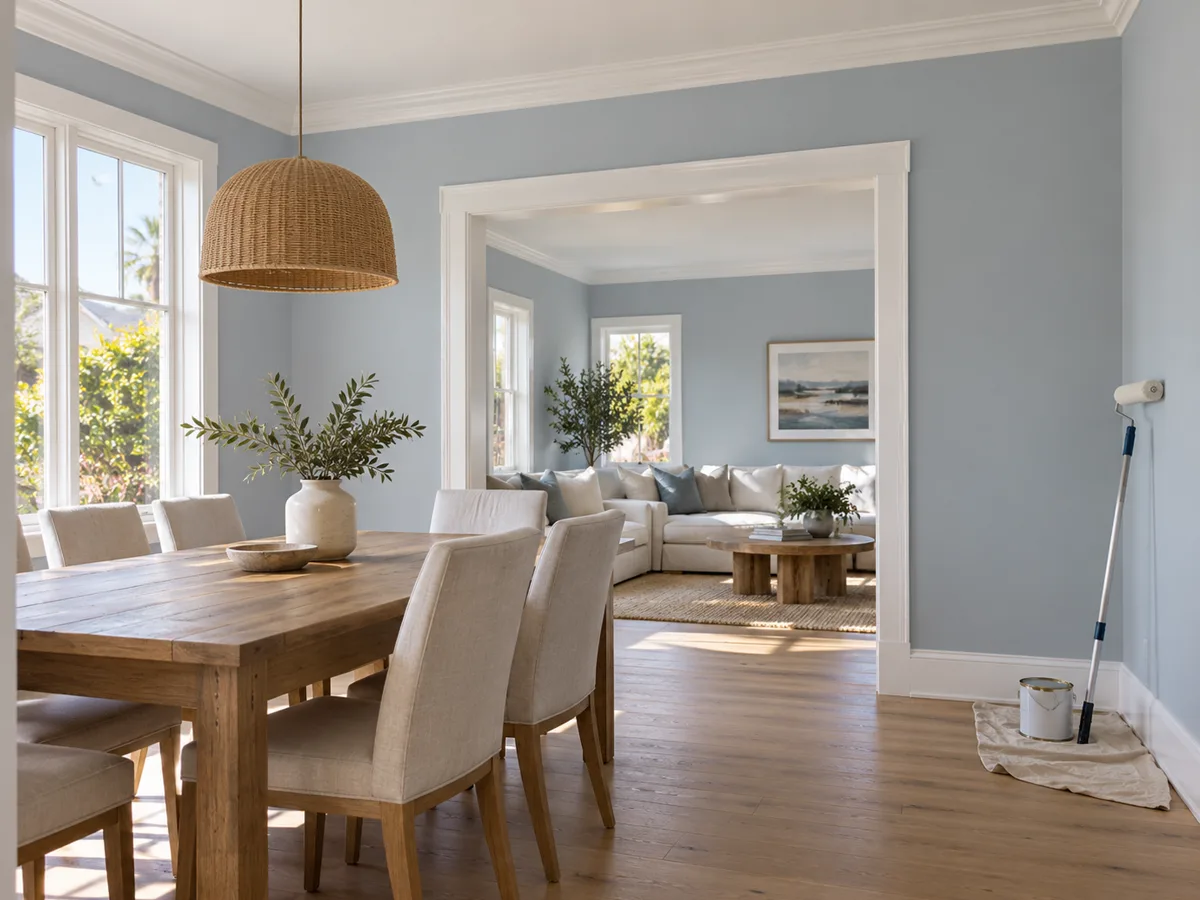
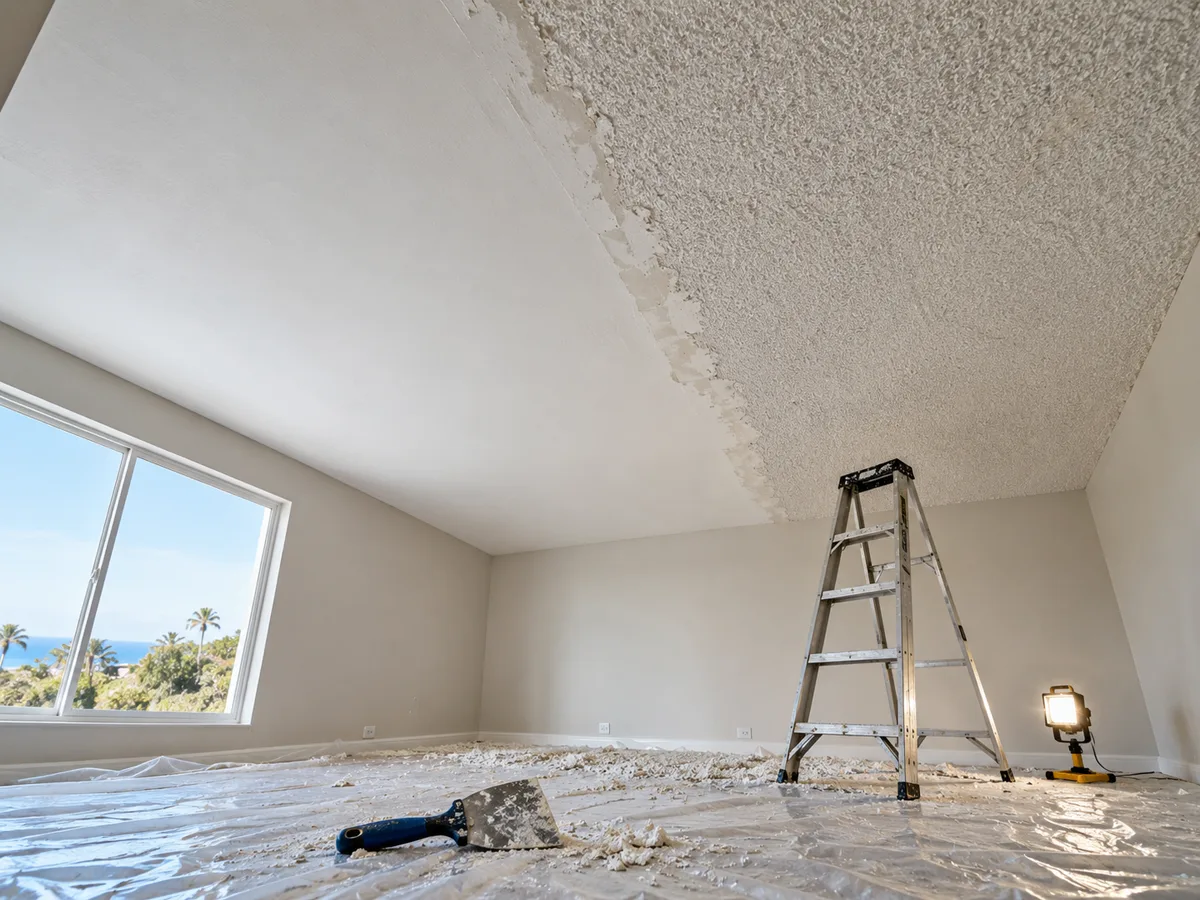
Inside a large home the challenges are height, finish quality and keeping the household running. Two-story entries, stairwells and great rooms need scaffolding or tall ladders set up without marking floors and walls. Smooth walls in strong light show every flaw, so prep and sanding take longer than in a typical house, and many owners choose a fine finish on trim, doors and cabinetry.
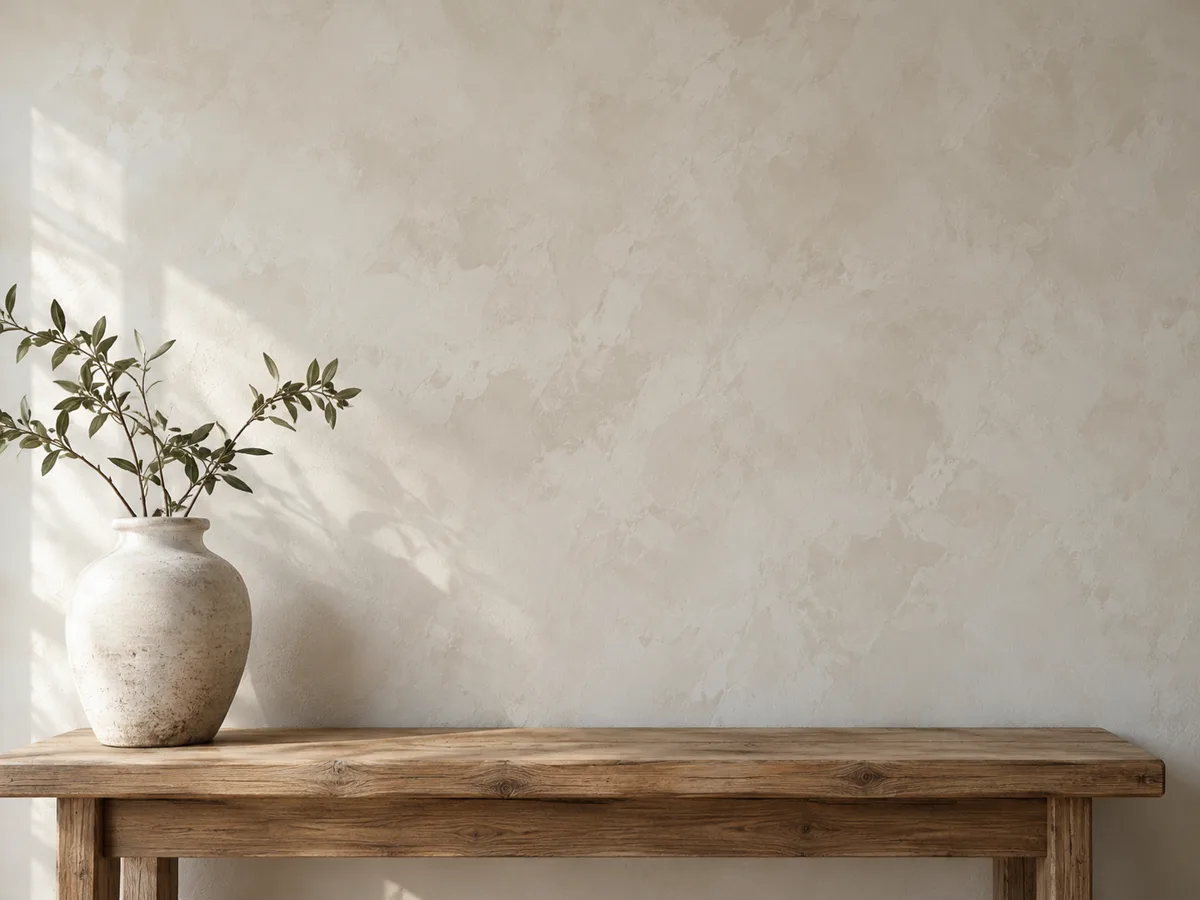
Decorative finishes such as limewash, Roman clay and Venetian plaster are popular on feature walls in Spanish and Mediterranean homes, and they are sampled on boards before any wall is touched. Every coating used indoors has to meet the South Coast AQMD's Rule 1113 limits on volatile organic content, and low-odor products are chosen where the family stays in the house.
Rooms are worked in an order the household agrees, so the kitchen, bedrooms and offices come back into use on a known day.
Many large homes in the area follow Spanish, Mission or Mediterranean lines, with broad stucco walls, clay tile roofs, dark wood beams and iron. On those houses the body color covers a very large surface, so a small shift in tone changes the whole look of the property.
Light, warm whites and soft earth tones are common because they suit tile roofs and read calmly across big walls, while the wood, iron and door colors carry the contrast. Strong afternoon sun washes out pale colors on the walls that face it and deepens the shade side, so samples are painted on at least two elevations and checked at different times of day.
Where a property sits under an association, the approved palette sets the starting point, and the samples and product details are prepared for the board. Where there is no association, the scheme is written down by product and color name, together with the trim, iron and accent colors, so every building on the lot can be matched again.
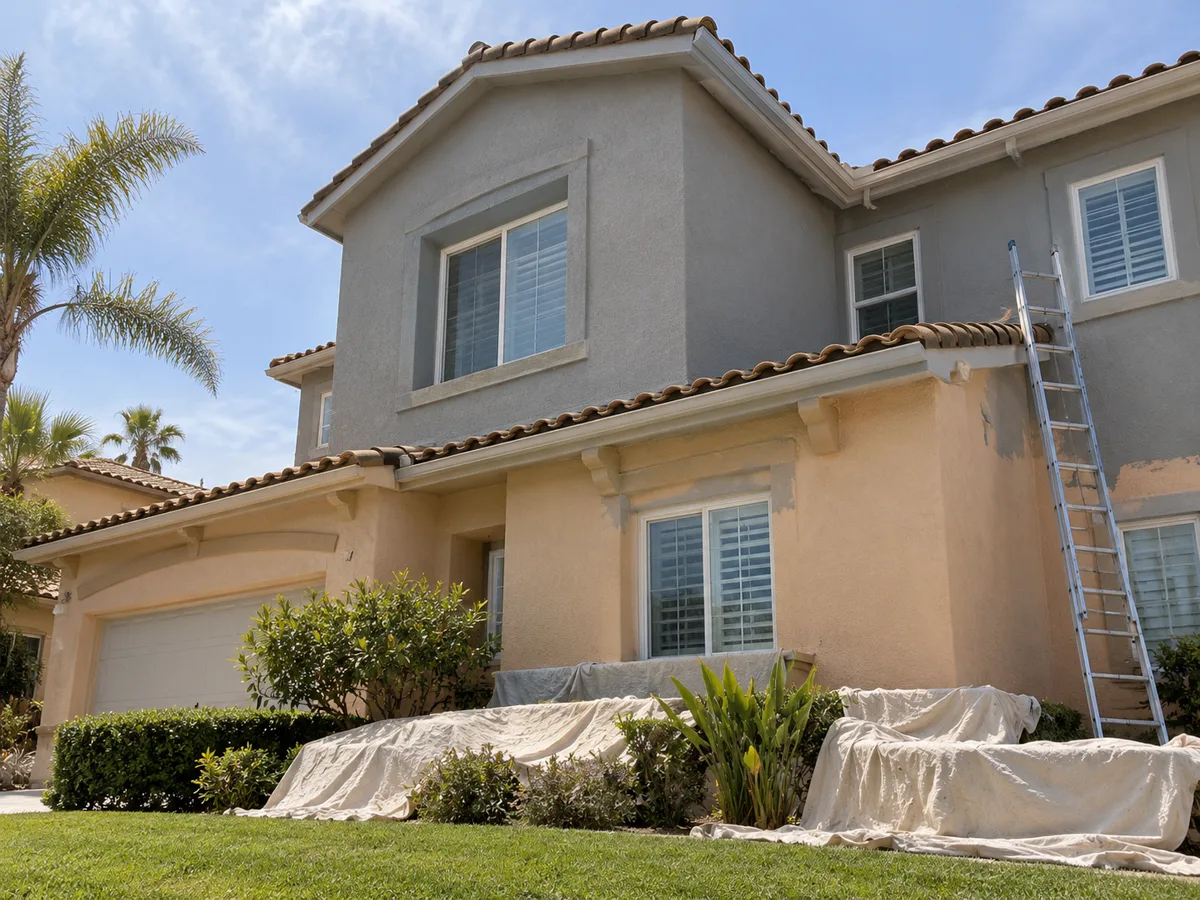
An estate is priced building by building. The size and height of each building, the condition of the stucco and wood, the length of walls and fences, the amount of iron, the protection needed around stone and pools, the number of colors and the interior finish level all move the number, as does phasing the work over more than one visit.
As a guide, an estate or large luxury home repaint is typically estimated at roughly $25,000 to $80,000 for the main house and its immediate walls, with secondary buildings, barns and long fence runs priced on their own lines.
These figures are estimates, they are subject to change once each building has been walked and the finishes chosen, and the written quote sets the final price.
The process
Four steps, and nothing is painted until you have approved the scope and the colors.
We walk the house or property with you, look at the stucco, the trim and the old coating, and note what the afternoon sun, the dry wind and the sprinklers have done to each side.
You get the prep, the products, the colors and the dates in writing. For an association or a building, the scope is phased so residents and tenants know which day is theirs.
Washing, scraping, patching and caulking come first, because that is what the paint holds on to. Then primer where it is needed and the finish coats.
We walk it again with you before we call it done, and touch up anything you point at.
Questions
Yes. Each building is priced on its own line, so you can paint the main house first and the guest house, barn or walls later, all in the same color scheme so the phases match.
They are covered before any spraying or scraping, wash water is kept out of pools and beds, and paint edges against stone are cut in by brush rather than sprayed.
Yes. Send the color schedule and finish specification, and the scope is written to match it. Samples and product data go to the designer for approval before the work is scheduled.
Yes. Rust is cleaned back to sound metal, bare spots are primed with a rust-inhibiting primer, and the iron is finished in an exterior enamel in the color you choose.
One project lead, from the first walk to the final punch list. That person agrees the schedule with you or your estate manager and is the one who answers for the work.
Yes. Rooms are sealed and worked one area at a time in an order you agree, with low-odor products where people are living, so the house stays usable throughout.
Yes. Barns, stables and tack rooms are scoped as separate buildings with their own prep and products, and the work is scheduled around the animals.
No. Gate codes, staff contacts and working hours are agreed before the start date and written on the schedule, so the crew arrives at the times your household expects.
Yes. We take the existing colors from a sound, unfaded area or a sample chip, have them matched, and test the match on the wall before any full coat goes on, because sun-faded paint is rarely the true original color.
Homeowners get a free on-site estimate. Boards, managers and contractors can send a scope for a bid.
Licensed, insured and bonded · License #585047. Calls only, we do not receive text messages.