Building bodies
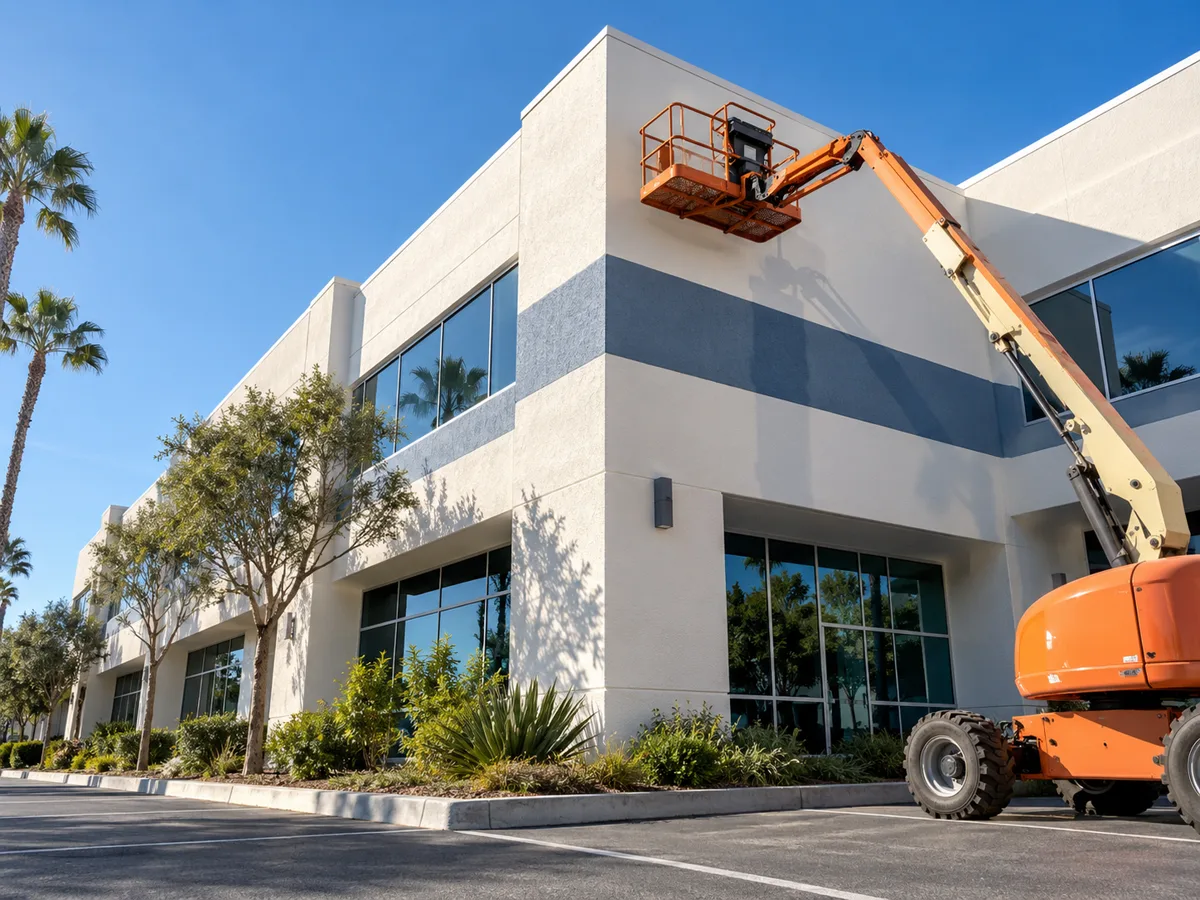
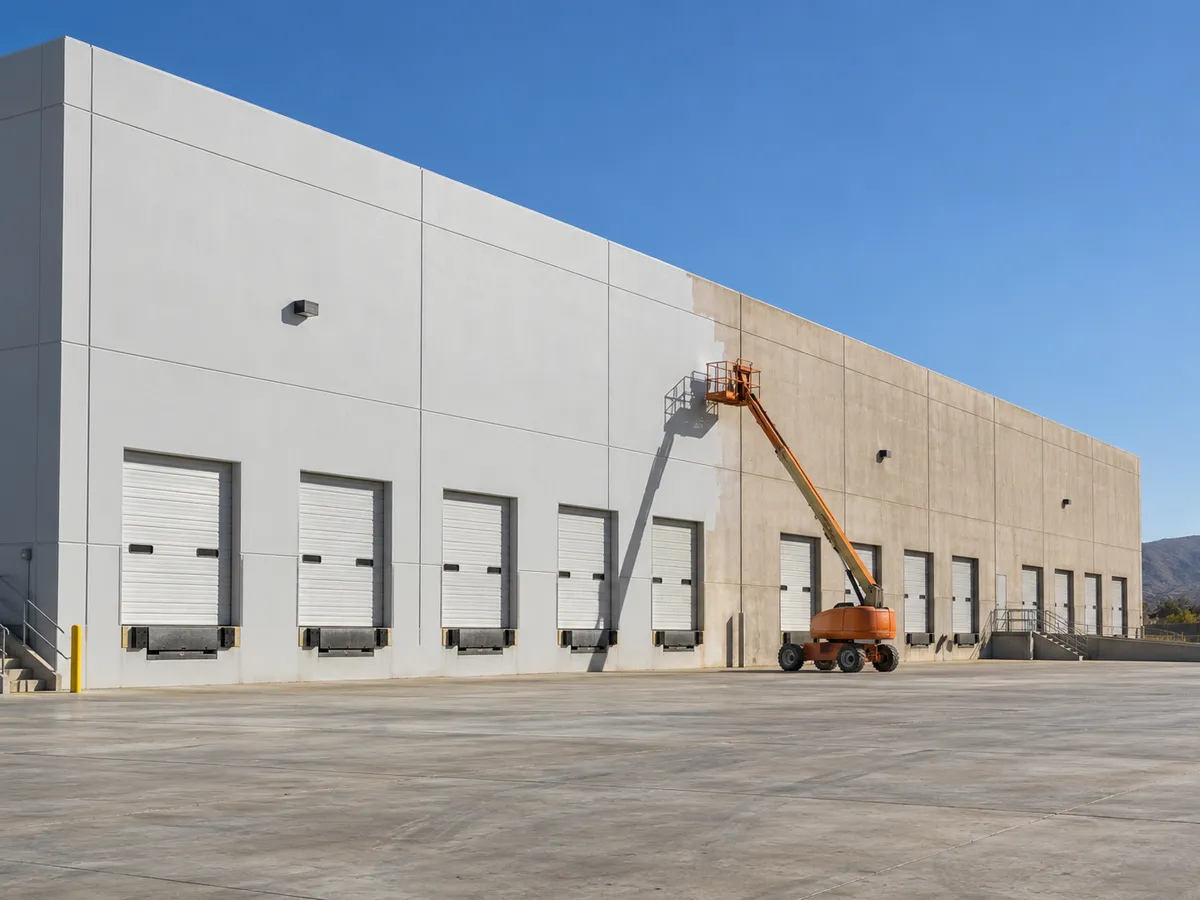
Stucco walls on each building, washed, crack-filled and repainted, with the elevations most exposed to the afternoon sun priced for heavier prep.

Riverside Expert Painting is a leading Riverside County contractor for apartment painting in Riverside, CA, working with owners, asset managers and on-site managers and specializing in occupied exterior repaints, stairway and balcony coatings and steel railing refinishing. We offer building-by-building painting schedules and leasing office refreshes.
Get a free painting estimate
Or call (951) 631-9482. Calls only, we do not receive text messages.
Our team provides a written sequence for every building on the site, delivering a repaint residents can live through for both residential and commercial projects. The crew that walks the property with your manager writes the punch list for each building and walks it again with them before painting moves to the next one.
From wire-brushing rust off a stair stringer to repainting every building, carport and trash enclosure on the site, our team handles every detail. Serving Riverside, Woodcrest and Diamond Bar, we time each building around move-ins, deliveries and the leasing office's hours.
Why Riverside Expert Painting
No salesperson hands you to a stranger. The person who measures the job answers for it.
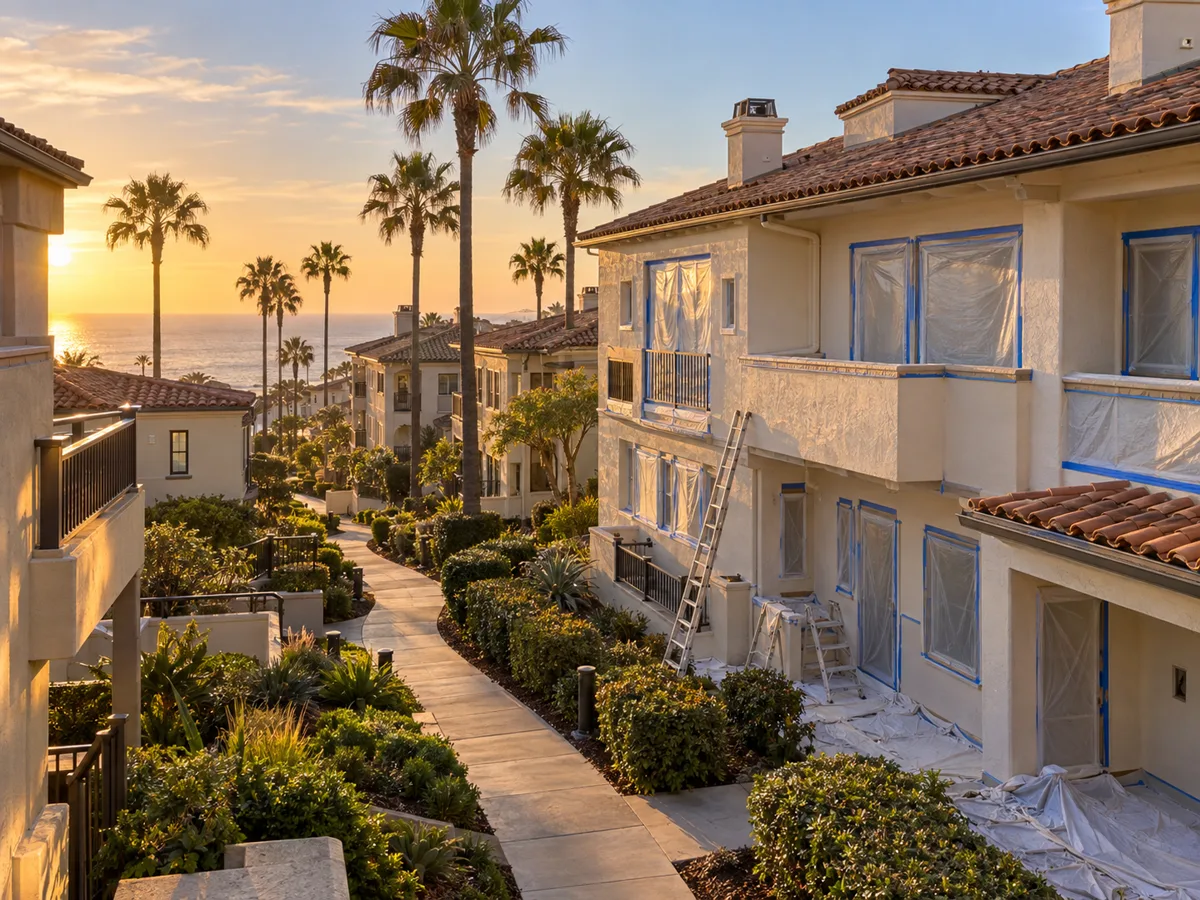
An occupied apartment exterior in Riverside is repainted one building at a time, so at any moment most of the community looks and works exactly as it did the week before. Riverside is a city where a large share of residents live in rental housing, and an owner cannot ask a full community to move out for paint, so the sequence is the product.
Each building follows the same order: wash, repair, prime, paint, then a walk with the manager. Stucco cracks are filled and sealant is replaced at windows and joints during the repair step, and nothing is sprayed near an open window or a parked car.
The products are chosen for people living a few feet away. Architectural coatings sold or applied in this region have to meet the South Coast AQMD's Rule 1113 limits on volatile organic content, and on apartment work we lean toward low-odor acrylics on walls next to doors and windows. Work runs during the day, so evenings stay quiet.
Inland sun shapes the order of the work as well. Riverside's summers are hot and dry, and chalking, the powdering of an old paint film, is driven by UV in sunshine, so the most exposed elevations usually need the heaviest washing before they will hold a new coat.
The scope for an apartment community lists every exterior surface an owner pays to maintain, so the bid can be compared line for line with another contractor and trimmed without guesswork.
Stucco walls on each building, washed, crack-filled and repainted, with the elevations most exposed to the afternoon sun priced for heavier prep.
Wood fascia, eaves and window trim, plus the outside face of every unit entry door and utility closet door, each counted by building.
Stair stringers, landings, balcony rails, pool fencing and gates, measured by linear foot because that is how the hand work scales.
Carports, trash enclosures, laundry and maintenance buildings, monument signs and perimeter block walls, listed so an owner can keep or drop each one.
Roofing, signage lettering, parking lot striping and unit interiors are excluded in writing, so the bid shows exactly where the scope stops.
Stairways, balconies and railings are the surfaces residents touch every day, so they get their own prep line in the scope and their own notice before the crew reaches them. They are also where an apartment exterior fails first.
Iron and steel rust whenever water and oxygen reach them, and on an inland property that water usually comes from irrigation. Sprinklers that hit the base of a stair stringer or the lower rail of a balcony keep the steel wet long after the rest of the building has dried, which is why rust shows up low on the steelwork first.
Loose rust and failing paint are scraped and wire-brushed back to sound metal, bare spots get a metal primer, and the finish goes on over it. Direct-to-metal acrylics, such as the primer-and-finish coatings sold for steel, combine primer and finish in one product with early rust resistance, and the data sheet for whatever is specified goes to the manager with the bid.
Balcony walls and railings can only be painted once residents have cleared them. The notice says what has to come off the balcony and when, and any balcony that is not cleared is skipped and returned to on a set day rather than painted around.
Stairs stay usable. Treads and landings are worked in halves where a building has only one stairway, so residents always have a way up and down.
Every building gets a written notice before work starts on it, delivered through the manager, naming the dates, the surfaces being painted, and what residents need to do. Most exterior work never requires entering a unit. Where a scope does need access, for example a balcony reached only through an apartment, California requires a landlord to give tenants reasonable written notice of entry, presumed to be 24 hours, stating the date, approximate time and purpose, and only during normal business hours, so those dates go to the manager early enough to give it.
Lifts and spray work need clear space along a building, so the notice names which parking stalls must be empty on which days, and crew vehicles park where the manager directs.
The leasing office is painted first or last, whichever the owner prefers. First means every tour after week one walks past a finished building. Last means the crew is never working beside the office during tours.
Amenity buildings are scheduled around their hours, and carports and trash enclosures are painted when they can be closed briefly without trapping a resident's car.
Apartment buildings built before 1978 are treated as if the original paint may contain lead. The EPA's Renovation, Repair and Painting rule covers work that disturbs painted surfaces in homes built before 1978, and it applies to rented housing, so on an older community the scraping and sanding steps change.
That means plastic sheeting under the work area, wet scraping instead of dry sanding, no open-flame or high-heat paint removal, and a clean-up of chips and dust at the end of each day before residents use the walkway. Those practices are written into the scope by building, so the manager can see where they apply and what they add.
A multifamily bid is built from the site plan. Each building is measured by elevation and story, and the bid then counts stairways, balconies, linear feet of railing, doors, carports and other outbuildings as separate lines, because those are the items that take the most hand work.
The other drivers are condition and access: how much stucco crack repair and sealant replacement the buildings need, how much rust is on the steel, whether lifts are needed for third-story walls, how many buildings can be worked at once without blocking parking, and whether lead-safe prep applies.
For budgeting, an occupied apartment community exterior here is typically estimated at roughly $75,000 to $500,000 per property, depending mostly on the building count, the number of stories and the amount of steel. These are budgetary estimates, they are subject to change once the property is walked and the specification is agreed, and the written bid sets the final price. To start one, send the site plan, the building and unit count, and the months you would like the work done.

The process
Four steps, and nothing is painted until you have approved the scope and the colors.
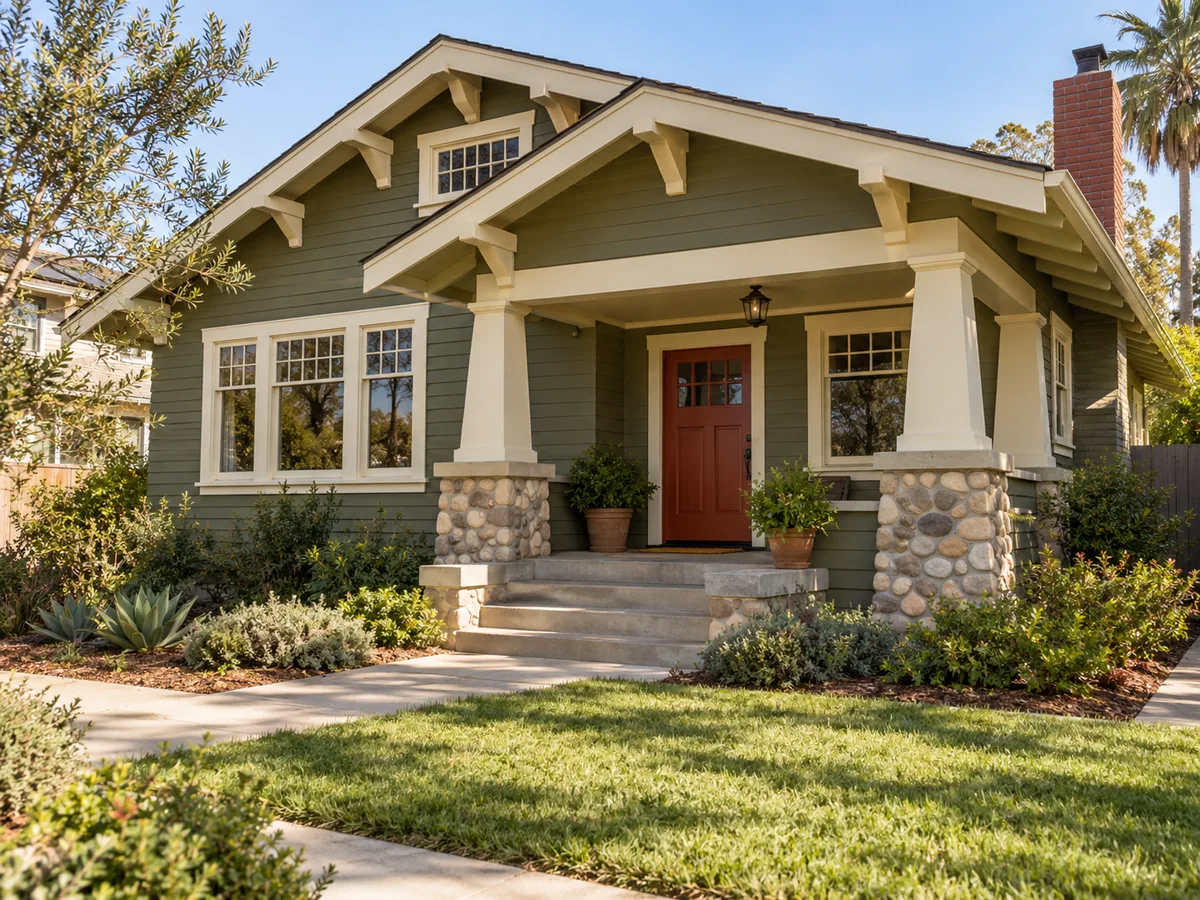
We walk the house or property with you, look at the stucco, the trim and the old coating, and note what the afternoon sun, the dry wind and the sprinklers have done to each side.
You get the prep, the products, the colors and the dates in writing. For an association or a building, the scope is phased so residents and tenants know which day is theirs.
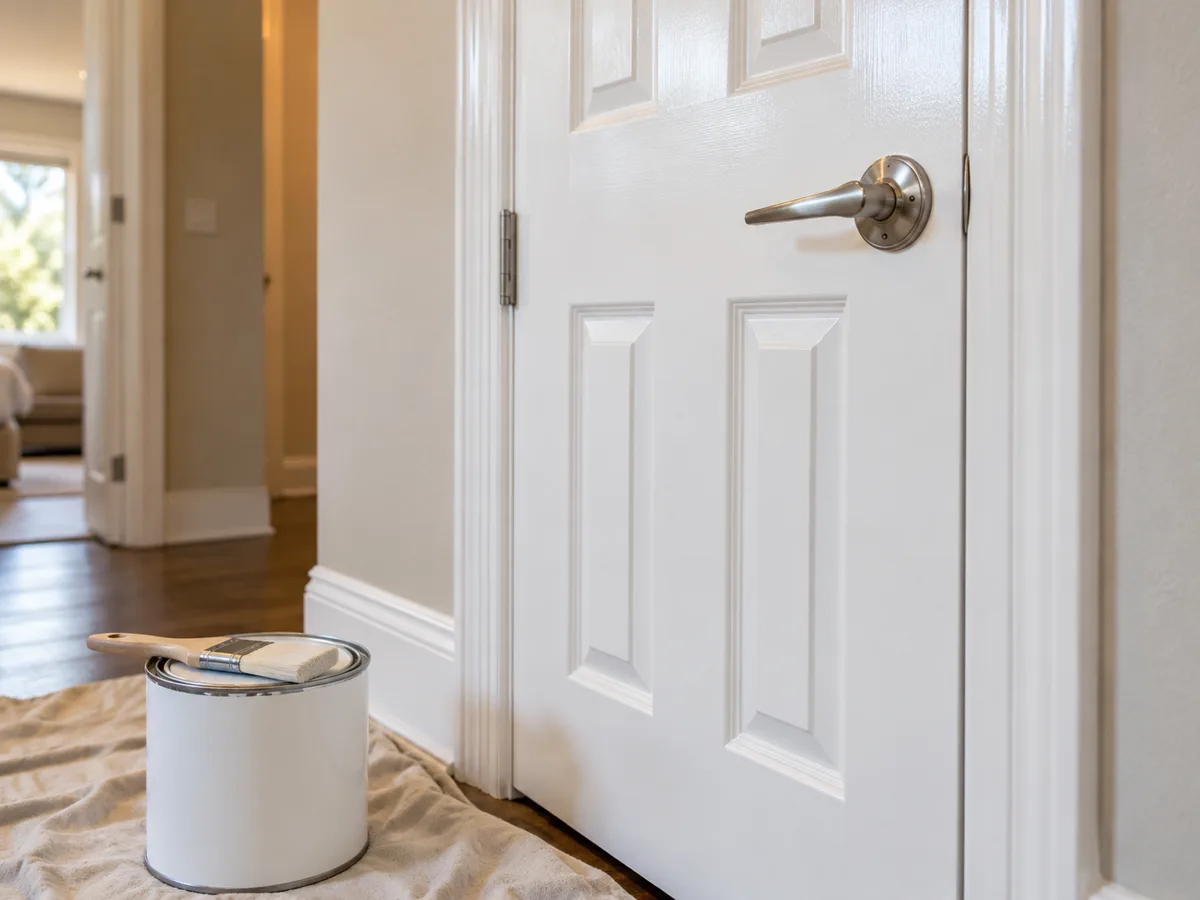
Washing, scraping, patching and caulking come first, because that is what the paint holds on to. Then primer where it is needed and the finish coats.
We walk it again with you before we call it done, and touch up anything you point at.
Questions
No. Exterior work happens outside the units during the day. Residents are asked to clear balconies and patios, close windows on spray days and move cars from the listed stalls.
Rarely, and only when a surface cannot be reached from outside, such as a balcony accessed through a unit. When that happens the dates go to the manager in advance so the required written notice can go to the tenant.
Yes. Each building is priced on its own line, so an owner can approve the buildings in the worst condition first and schedule the remainder against a later budget.
Yes, and they are listed separately in the bid. Carports are usually done on a weekday when residents are at work, with the stalls named in the notice.
Yes. The owner chooses whether the leasing office and its building go first or last, and the sequence for the rest of the property is built around that choice.
Spray work stops when the wind would carry overspray toward cars, windows or neighboring buildings, and the crew moves to brush and roller work or to a sheltered side of the building.
That is a separate scope. Vacant unit repaints between tenants are priced per floor plan on their own page, while this page covers the community exterior and common areas.
A product and color schedule by building, the punch list from each building's final walk, and the written warranty, so a later touch-up or the next repaint can be specified from the record.
Homeowners get a free on-site estimate. Boards, managers and contractors can send a scope for a bid.
Licensed, insured and bonded · License #585047. Calls only, we do not receive text messages.